Busting Common Design Myths: What You Really Need to Know


Understanding Design Myths
Design is a field filled with creativity and innovation, yet numerous myths persist that can mislead both budding designers and clients. It's essential to separate fact from fiction to ensure your design projects succeed. In this post, we'll debunk some common design myths and provide you with the knowledge you need to make informed decisions.

Myth 1: Design is Just About Aesthetics
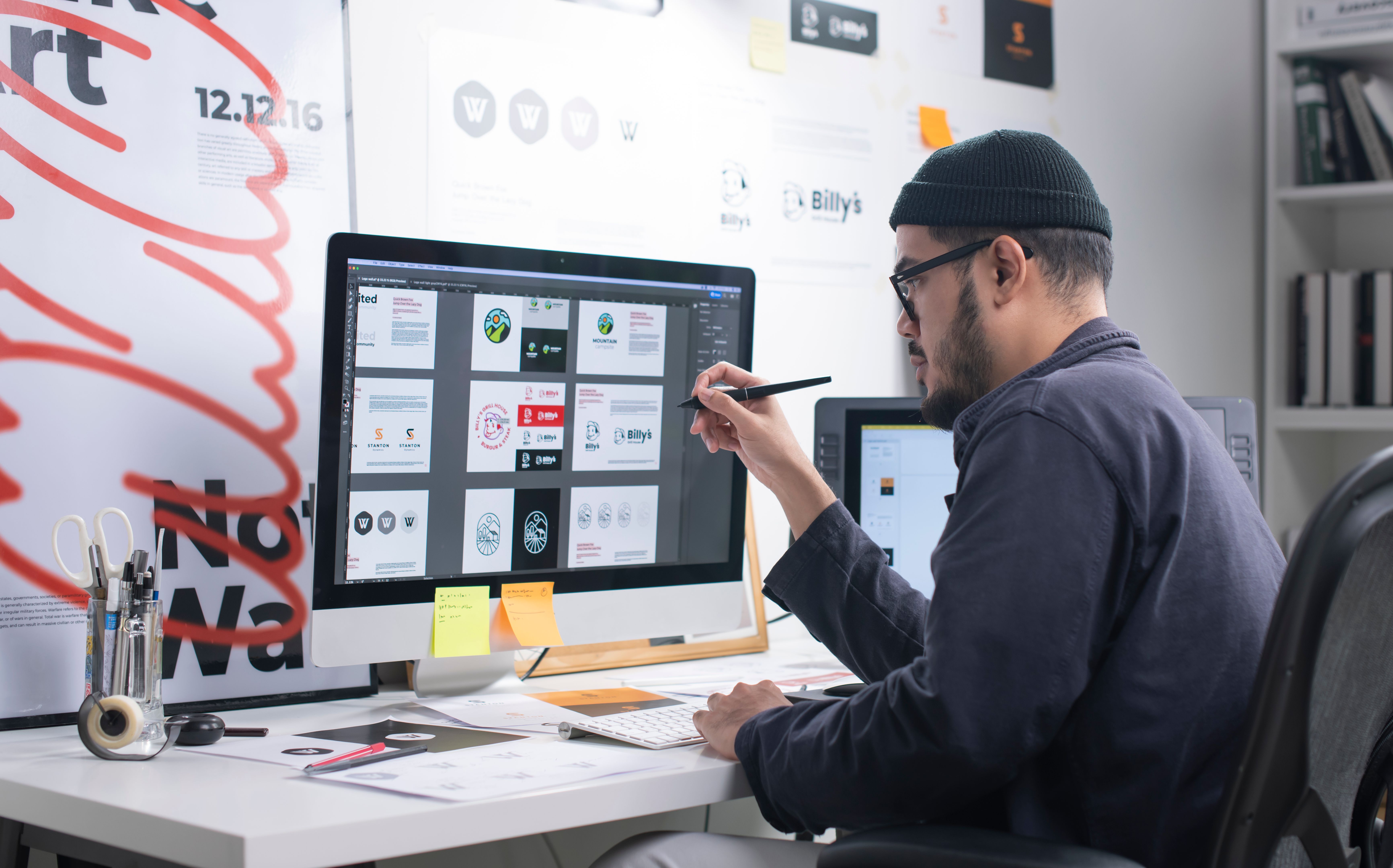
One of the most prevalent myths is that design is solely about making things look pretty. While aesthetics are important, effective design goes beyond visuals. It involves understanding user experience, functionality, and communication. A well-designed product or website should be intuitive and serve the user's needs, not just look appealing.
Successful design integrates form and function, ensuring that the user journey is seamless. This means considering how a design works in real-world scenarios and how users will interact with it.
Myth 2: More Colors Mean Better Design
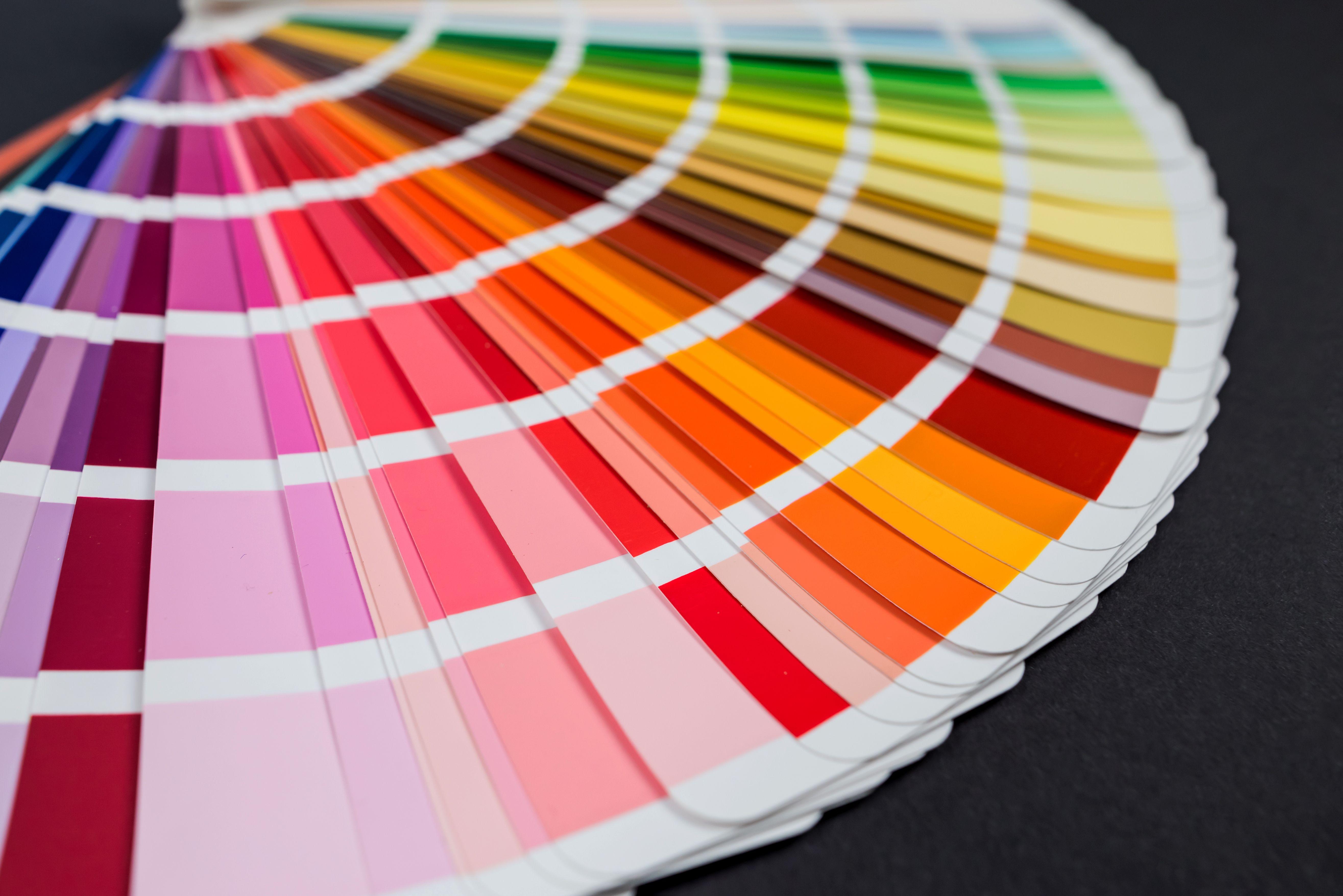
Another common misconception is that using more colors will enhance a design. In reality, too many colors can create confusion and distract from the message. A well-thought-out color palette can evoke emotions, convey branding, and guide users through content effectively.
When choosing colors, it's crucial to consider color psychology and how various hues can impact user perception. A minimalist approach often works well, using colors strategically to highlight important elements.
The Role of Fonts in Design
Fonts are more than just text; they play a significant role in communicating a brand's voice and enhancing readability. Let's explore some myths related to typography.
Myth 3: Fancy Fonts Always Impress
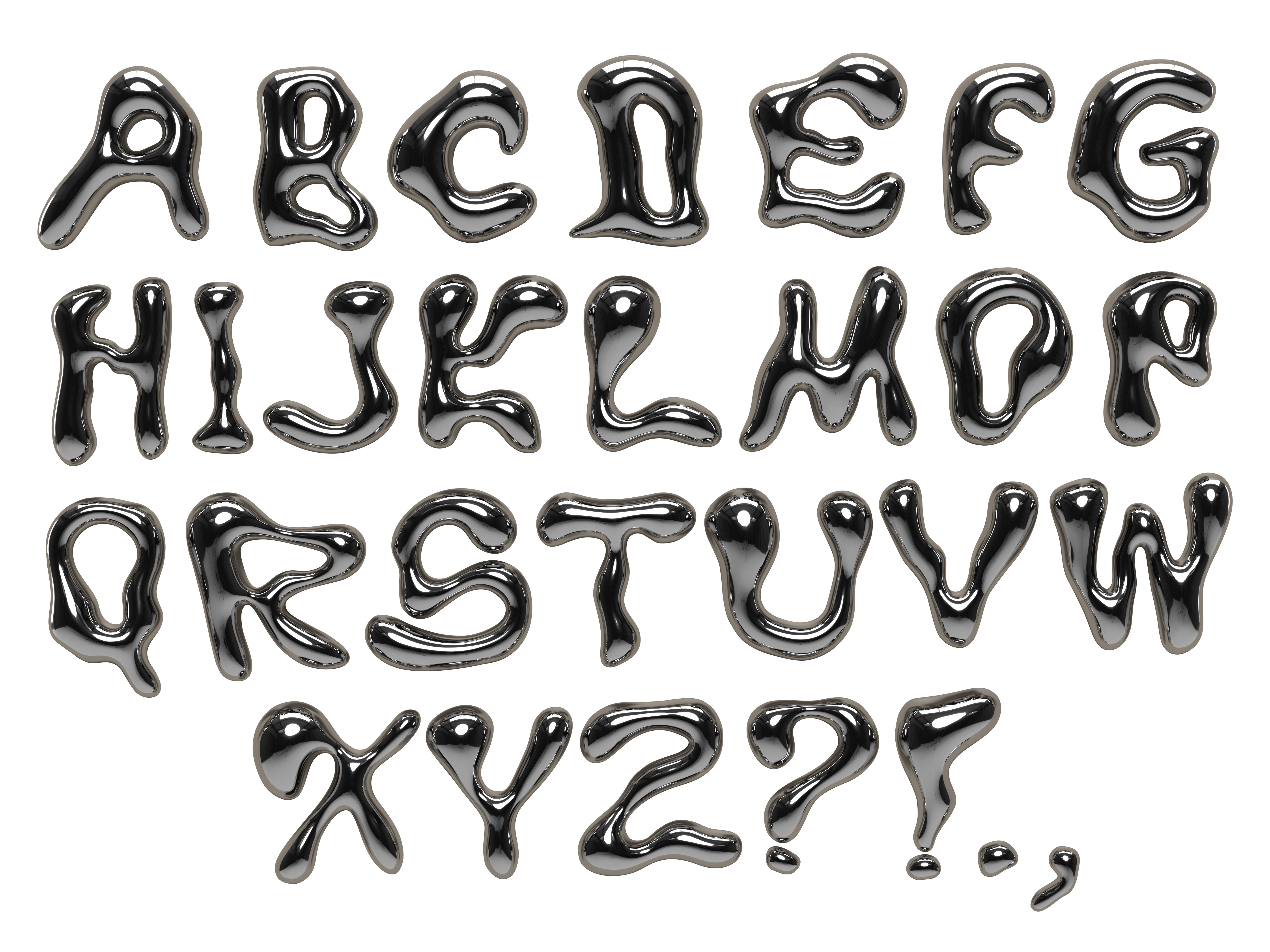
While fancy fonts might seem impressive at first glance, they can hinder readability if overused. Prioritizing readability ensures that your audience can easily consume your content. Simplicity often triumphs when it comes to font selection.
Instead of opting for overly decorative fonts, choose ones that align with your brand's personality and enhance the overall design without compromising clarity.
Myth 4: Design Trends Must Be Followed
Design trends can be tempting to follow, but they aren't always the best choice for every project. Trends are temporary, and what's popular today might not be tomorrow. Focusing on timeless design principles can ensure longevity and relevance.
It's essential to evaluate whether a trend aligns with your brand's identity and long-term goals. Sometimes, sticking to classic and proven design elements can be more beneficial than chasing the latest trend.
Final Thoughts on Design Myths
Understanding and debunking these common design myths can empower you to make better design decisions. Remember that effective design is about creating meaningful experiences, not just eye-catching visuals. By focusing on user experience, functionality, and timeless principles, you can achieve more successful outcomes in your design projects.