
Case Study: Transforming Spaces in Cook County


Cook County has become a beacon of innovative design and sustainable development thanks to recent transformative projects. The county's commitment to revitalizing urban spaces while preserving its cultural heritage is truly remarkable. This case study explores how Cook County has successfully transformed spaces, creating vibrant communities and fostering economic growth.
Revitalizing Urban Areas
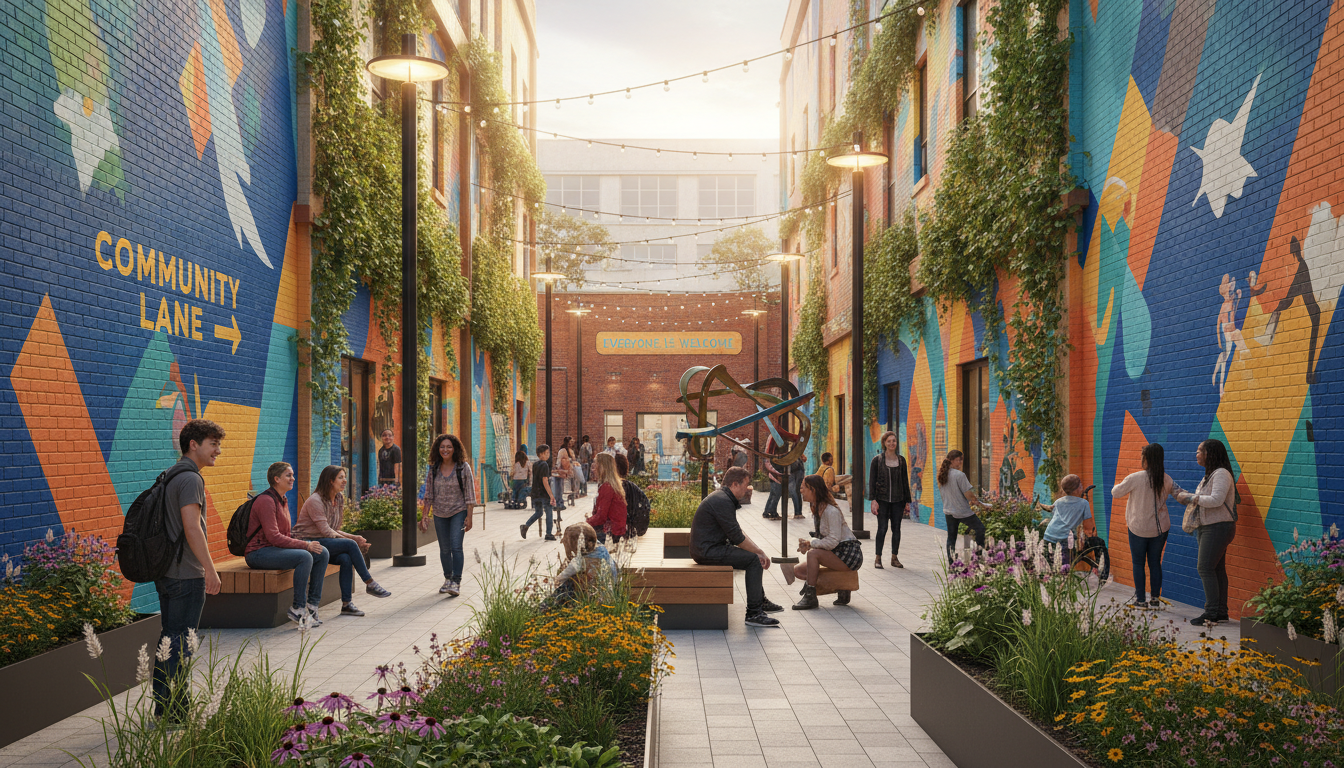
One of the most impactful initiatives in Cook County has been the revitalization of urban areas. By repurposing abandoned buildings and neglected spaces, the county has breathed new life into these areas. These efforts have resulted in increased property values and attracted new businesses, contributing to the local economy.
The focus on sustainability is evident in many of these projects. Green building practices and energy-efficient technologies have been incorporated, reducing the environmental impact and promoting healthier living conditions for residents.

Community Involvement
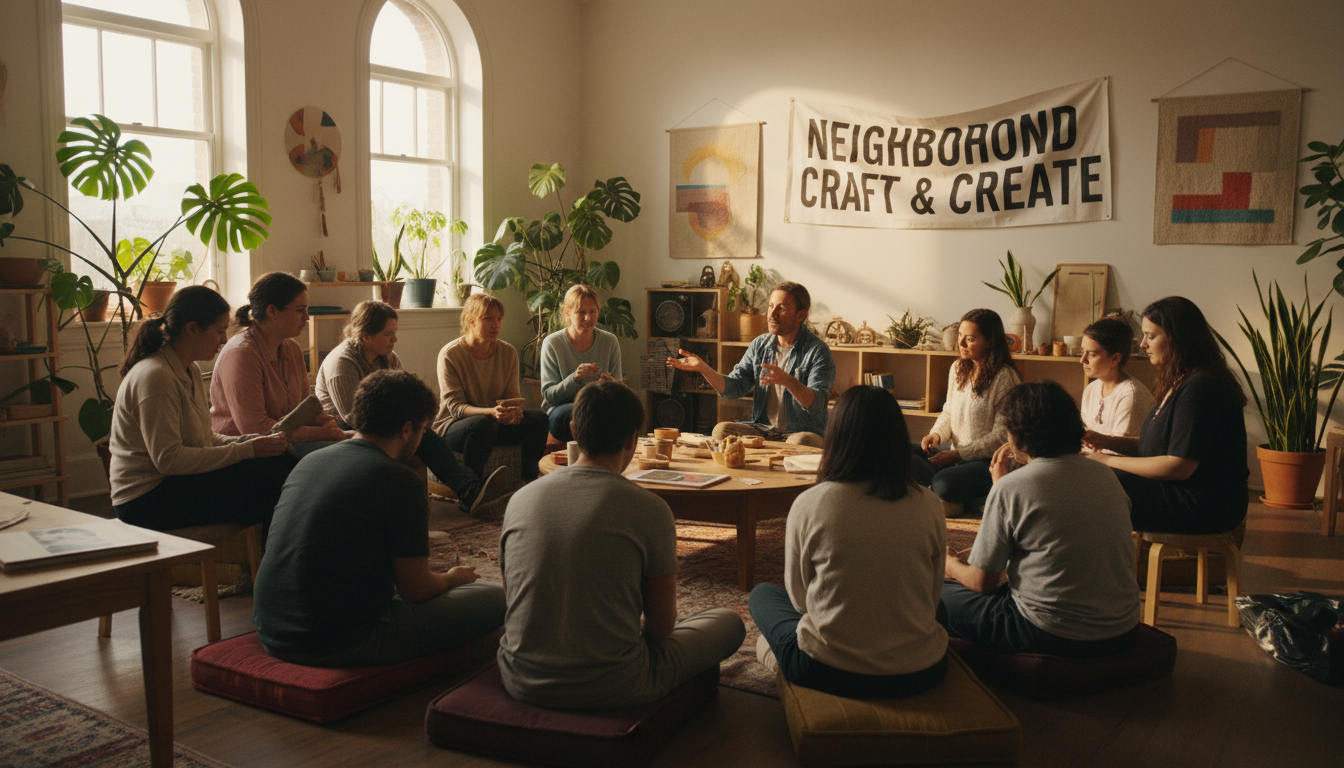
Community involvement has been a cornerstone of Cook County's transformation strategy. By engaging local residents in the planning and development process, the county ensures that projects meet the needs and desires of the community. This collaborative approach fosters a sense of ownership and pride among residents.
Workshops, public forums, and surveys have been instrumental in gathering input and feedback. This inclusive strategy not only enhances project outcomes but also builds trust and strengthens community bonds.
Economic Impact
The economic impact of these transformations has been significant. New business opportunities, job creation, and increased tourism are just a few of the benefits. The revitalization of commercial districts has attracted entrepreneurs and investors, further fueling economic growth.
Additionally, improved infrastructure and public transportation systems have enhanced accessibility, making it easier for people to visit and explore Cook County's offerings. These improvements have made the county a more attractive place to live, work, and visit.
Preserving Cultural Heritage
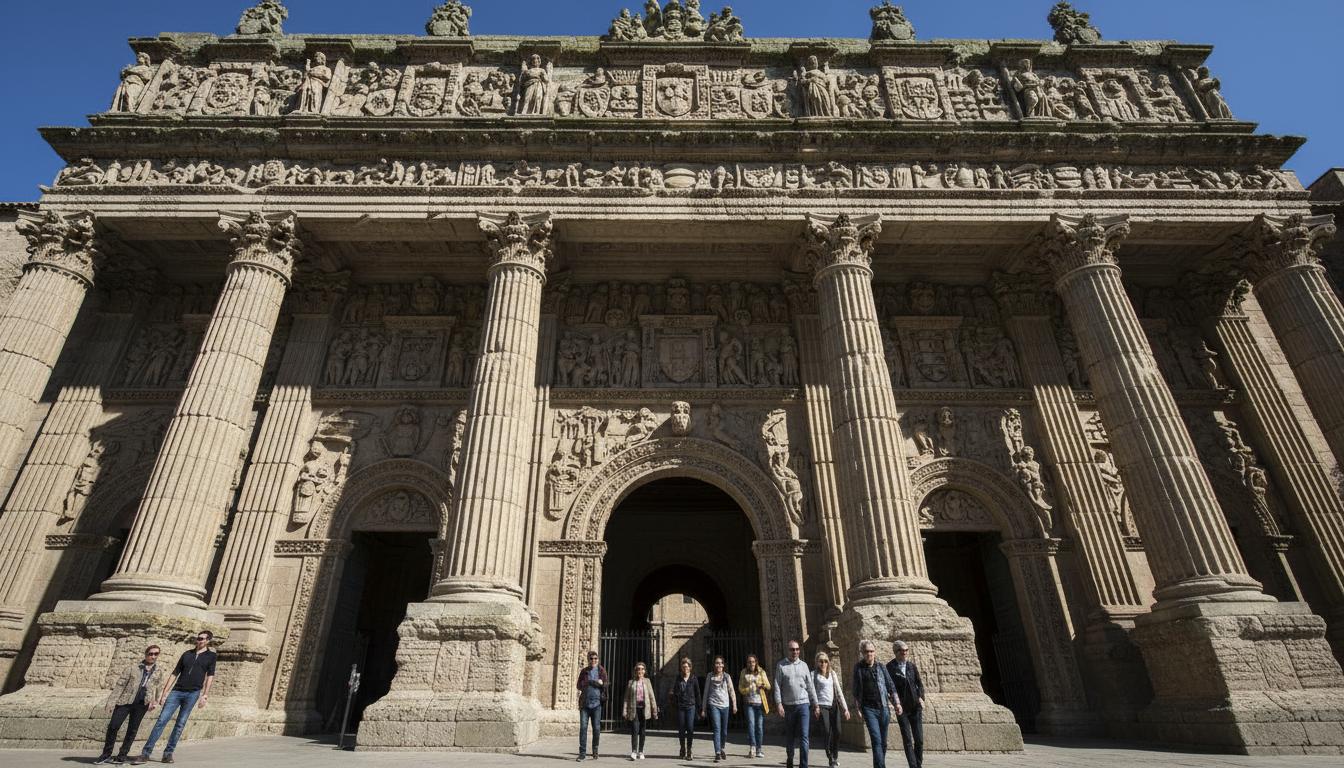
While embracing modern development, Cook County has remained committed to preserving its rich cultural heritage. Historical landmarks and iconic structures have been carefully restored, maintaining the county's unique character and charm. This balance between old and new is a testament to the county's thoughtful planning and execution.
Preservation efforts not only honor the past but also provide educational opportunities and cultural experiences for residents and visitors alike. This commitment to heritage ensures that future generations can appreciate and learn from the county's history.
Conclusion: A Model for Transformation
Cook County's approach to transforming spaces serves as a model for other regions seeking sustainable development and community revitalization. The county's dedication to innovative design, community involvement, and cultural preservation has yielded impressive results. By continuing to prioritize these values, Cook County is poised to remain a leader in urban transformation.
As other areas look to replicate this success, Cook County's journey offers valuable insights and inspiration. The county's transformation is a testament to what can be achieved when vision, collaboration, and commitment come together to create thriving, sustainable communities.