
Comparing Traditional vs. Modern Design: What's Right for You?


Understanding Traditional Design
Traditional design is often characterized by its rich history and classic appeal. It draws inspiration from the 18th and 19th centuries, focusing on details, symmetry, and a sense of order. This design style often incorporates elements like wood, rich colors, and intricate patterns.
People who appreciate a sense of nostalgia and elegance often gravitate towards traditional design. It’s common in homes that aim for a cozy and timeless atmosphere. Traditional design can make a space feel warm and inviting.
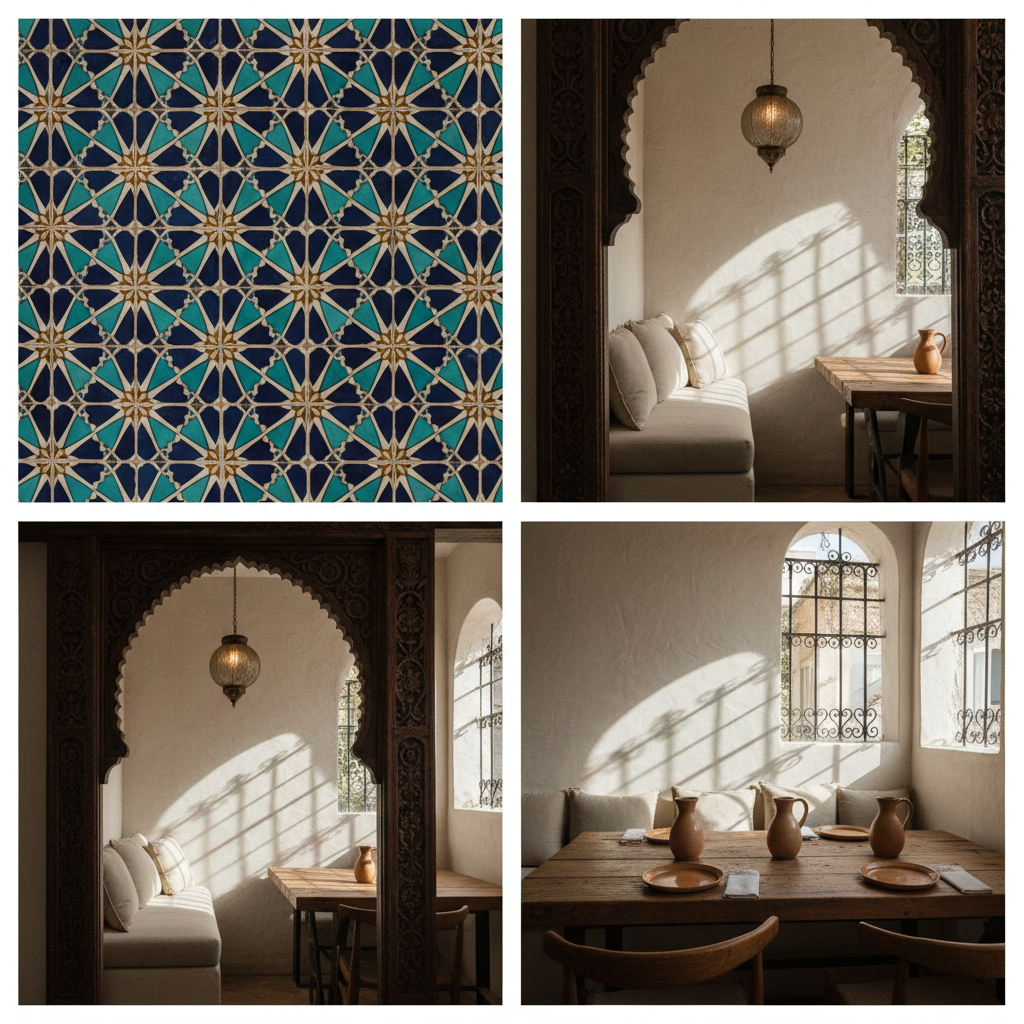
Elements of Traditional Design
Key elements of traditional design include:
- Furniture: Often crafted from dark wood with detailed carvings.
- Colors: Rich, warm tones like burgundy, gold, and deep green.
- Patterns: Florals, damasks, and plaids are commonly used.
Exploring Modern Design
In contrast, modern design embraces minimalism and simplicity. Emerging in the early to mid-20th century, it emphasizes clean lines, open spaces, and a neutral color palette. Modern design is all about functionality and letting space breathe.
This style is ideal for those who appreciate efficiency and a clutter-free environment. Modern design often incorporates industrial materials like steel and glass, creating a sleek and sophisticated look.
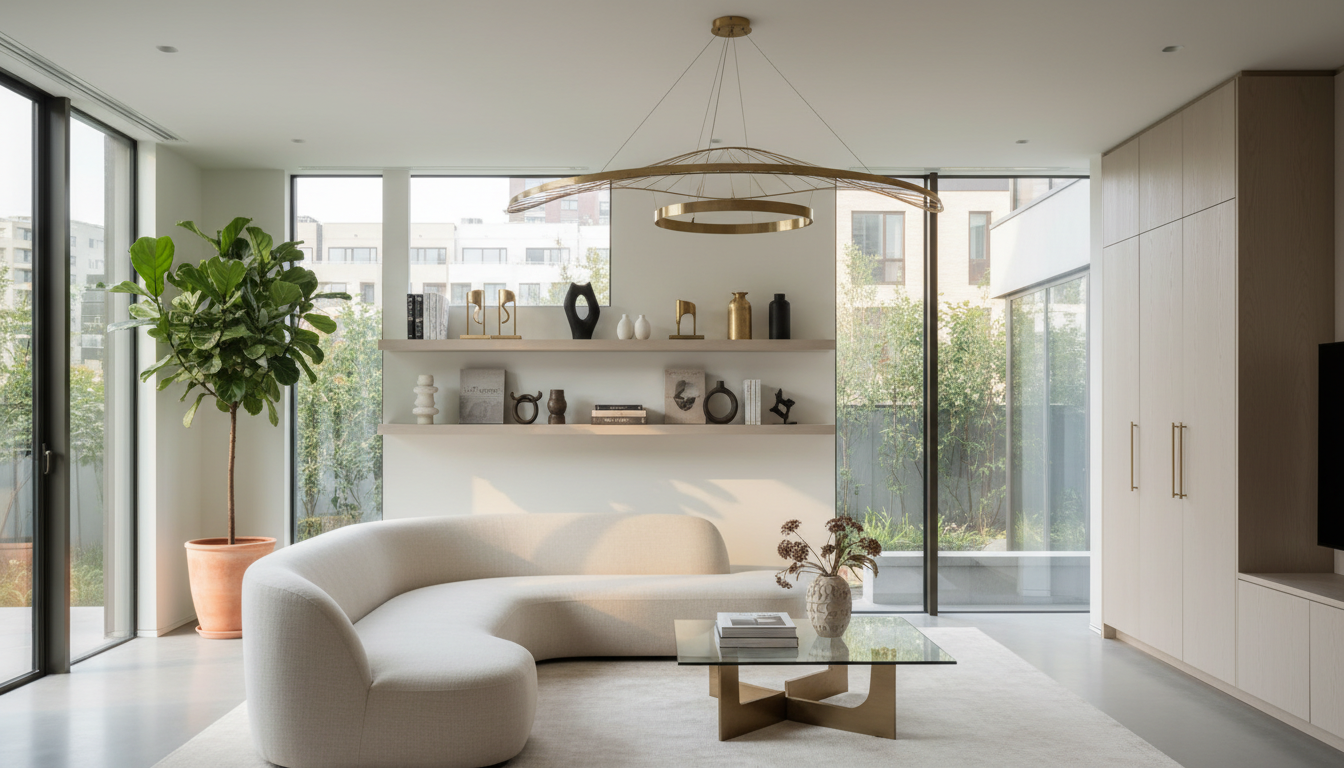
Elements of Modern Design
Modern design elements include:
- Furniture: Sleek, functional pieces with minimal ornamentation.
- Colors: Neutral shades like white, gray, and black.
- Materials: Use of metals, glass, and concrete.
Choosing the Right Style for You
When deciding between traditional and modern design, consider your personal preferences and lifestyle. Traditional design may be suitable if you love classic aesthetics and a homely feel. On the other hand, modern design might be perfect if you prefer a spacious and minimalist environment.

Blending the Two Styles
It's also possible to blend traditional and modern designs to create a unique space. This approach, known as transitional design, combines the warmth of traditional with the simplicity of modern. It allows for a balanced and personalized look.
When blending styles, focus on harmonizing colors and choosing furniture that complements both aesthetics. The key is to maintain a cohesive feel while incorporating elements from each style.
Conclusion
Ultimately, the choice between traditional and modern design depends on what resonates with you personally. Both styles offer unique benefits and can be tailored to reflect your taste. Whether you choose the timeless appeal of traditional design or the sleek elegance of modern design, the most important aspect is creating a space that you love.