
Debunking Common Interior Design Myths


Understanding the Basics
When it comes to interior design, many myths abound, leading homeowners to make choices that may not suit their spaces or personal styles. By debunking these myths, you can make informed decisions that enhance your living environment.
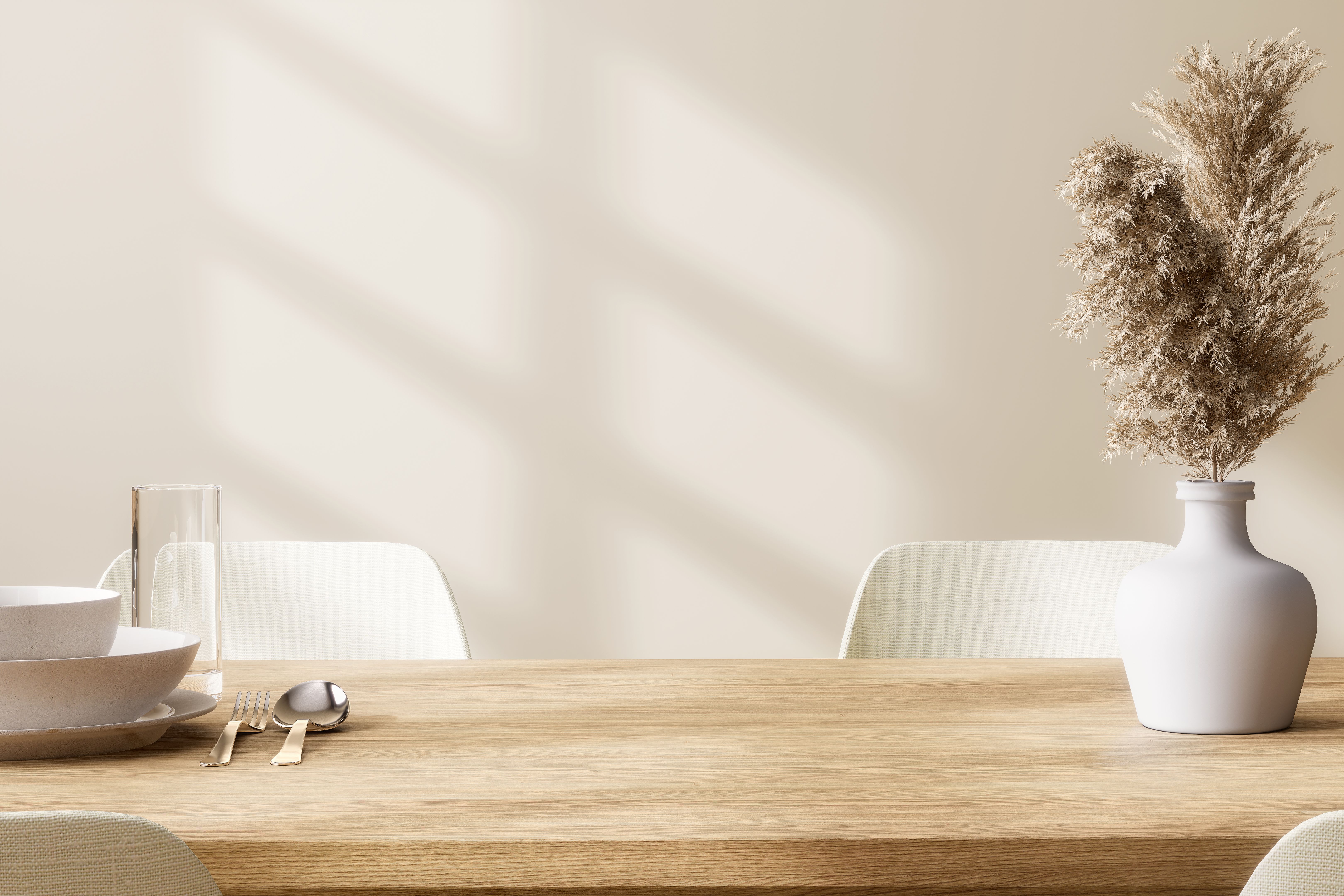
Myth 1: Small Spaces Must Be White
One common myth is that small spaces should always be painted white to appear larger. While white can create an airy feel, it’s not the only option. Introducing rich, bold colors can add depth and personality, making small rooms feel cozy rather than cramped.
Consider using mirrors and strategic lighting to open up the space instead. These elements can reflect light and create the illusion of a larger area without relying solely on color.
Myth 2: Matching Furniture Sets Are Necessary
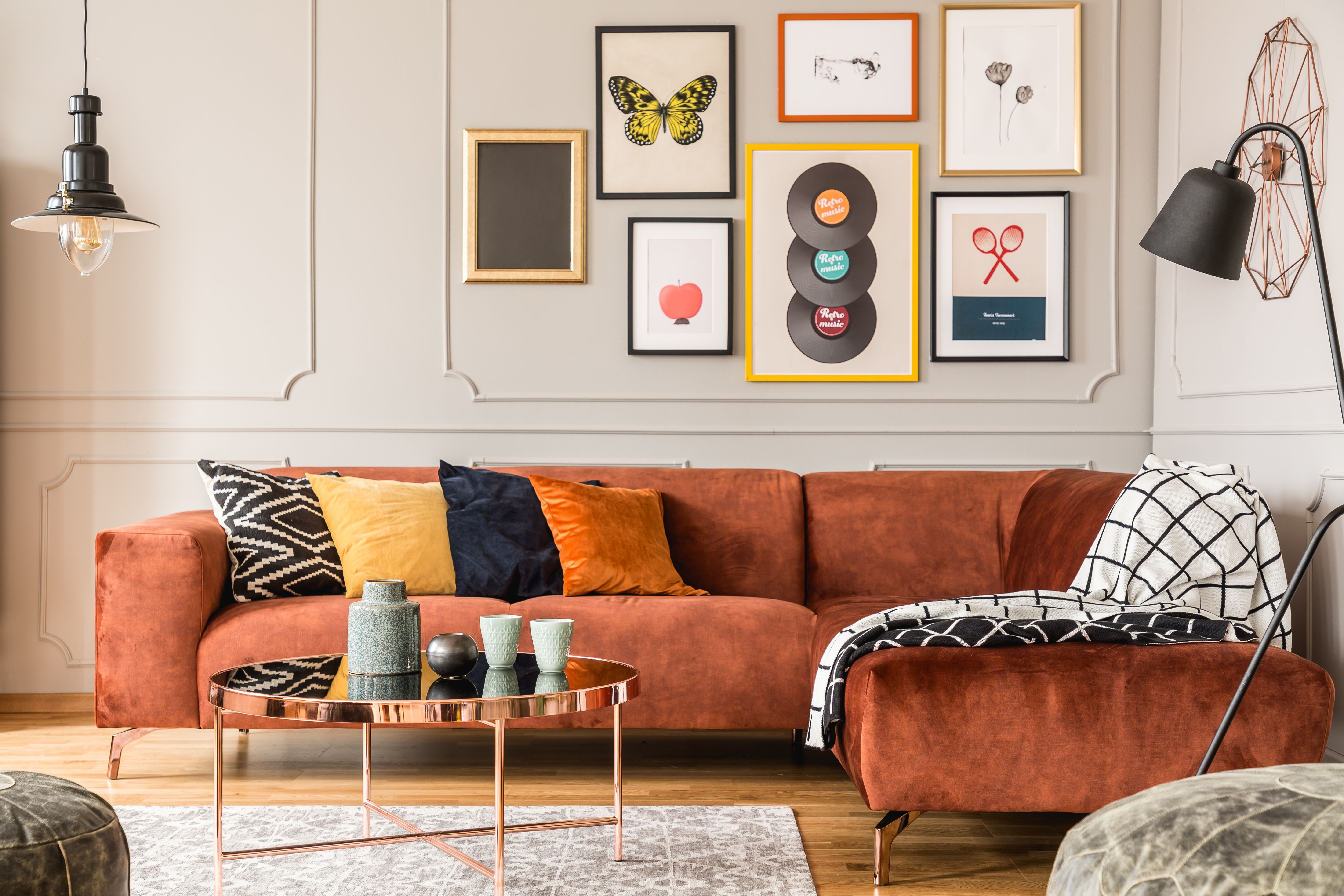
Another prevailing misconception is that all furniture in a room must match perfectly. This belief can lead to a lack of character and uniqueness in your home. Instead, mix and match different styles, textures, and colors to create a more dynamic and personalized space.
Exploring Style and Functionality
Combining various design elements allows you to express your personality and accommodate the functionality of each room. Here are more myths to consider:
Myth 3: You Need to Follow Trends
Trends come and go, but your home should reflect your tastes and lifestyle. While it’s fine to incorporate trendy elements, ensure they complement your long-term vision for your space. Prioritize timeless pieces that can adapt to changing trends.

Myth 4: Dark Colors Make Rooms Depressing
Many people avoid dark colors fearing they will make a room feel gloomy. However, when used correctly, dark shades can add sophistication and warmth. Balance them with lighter furnishings and accessories to create a harmonious environment.
Creating a Personalized Space
Avoiding these myths can help you create a home that truly reflects who you are. It's about blending form and function while staying true to your personal style.
Myth 5: Art Should Always Be Hung at Eye Level
While hanging art at eye level is a general guideline, it’s not a hard rule. Consider the room’s architecture, furniture arrangements, and the artwork itself. Sometimes, higher or lower placements can better showcase your pieces.

By debunking these myths, you empower yourself to make more confident and creative design choices. Remember, your home is a canvas where you can express your style without being constrained by outdated rules.