
Design Myths Debunked: Common Misconceptions About Minimalism


Understanding Minimalism: Beyond the Basics
Minimalism is often misunderstood as a design concept. While some perceive it as overly simplistic or boring, minimalism is far more nuanced and intentional. It’s about distilling design down to its essential elements, focusing on functionality, and creating a sense of calm and clarity.
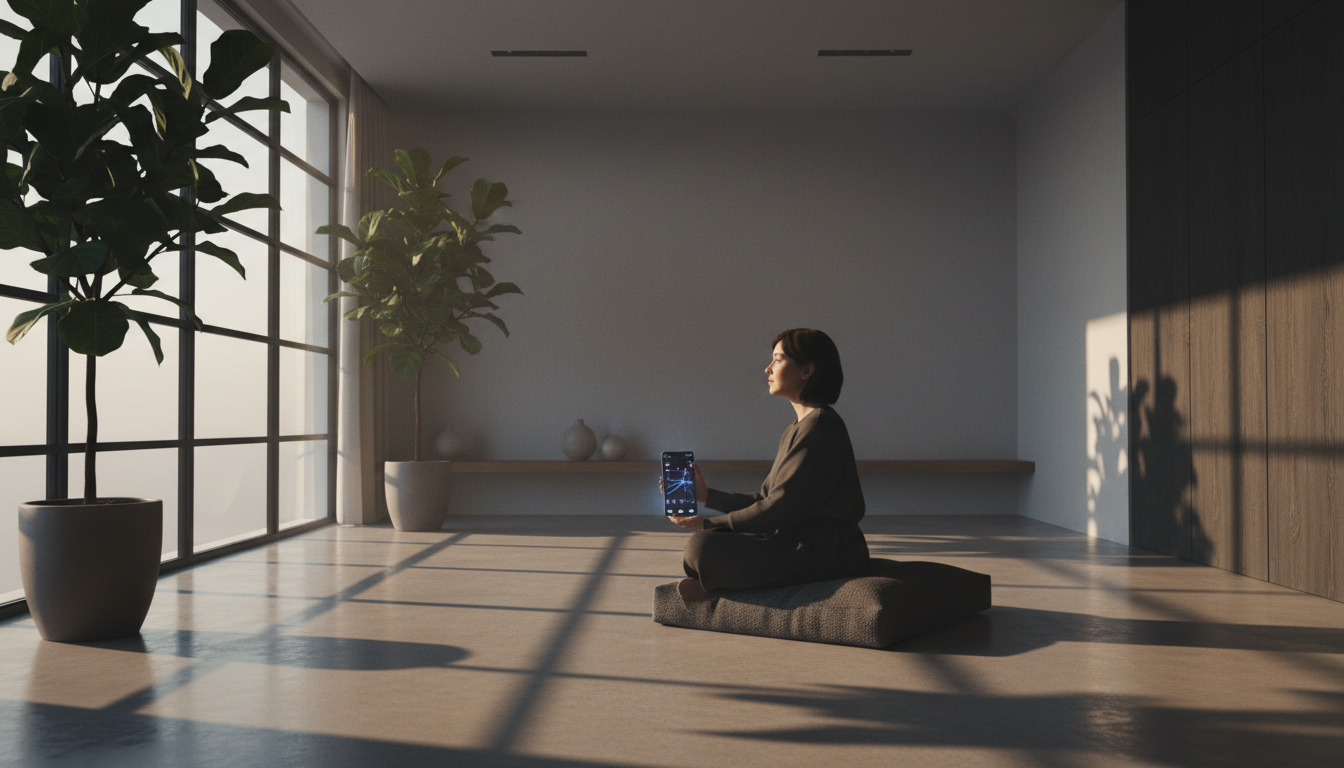
Minimalism Means Lack of Creativity
A common myth is that minimalism stifles creativity. In reality, minimalism requires a great deal of creativity to ensure that each element serves a purpose. Designers must be innovative in how they convey messages and emotions with fewer elements, making every choice deliberate and meaningful.
By reducing clutter, minimalism allows creativity to flourish through the use of negative space, bold typography, and strategic color choices. This approach can often lead to more impactful and memorable designs.
Minimalism Equals Monochrome
Another misconception is that minimalism limits you to a monochrome palette. While many minimalist designs do favor neutral colors, this is not a requirement. Minimalism can embrace a wide range of colors, as long as they are used thoughtfully to maintain a clean and cohesive look.

The key is to use color strategically, enhancing the user experience and drawing attention to important aspects of the design without overwhelming the viewer.
Minimalism Is Just About Aesthetics
Many assume that minimalism is purely about aesthetics, but it’s also about functionality. A minimalist design seeks to improve user experience by removing unnecessary distractions, allowing users to focus on the content or purpose of the design.
Effective minimalist design often leads to better usability, as it prioritizes intuitive navigation and clear communication. This focus on functionality can enhance user satisfaction and engagement.

Minimalism Lacks Personality
Some believe that minimalist designs lack personality or character. However, minimalism can be highly expressive. By focusing on the essentials, designers can create work that is both personal and powerful.
Whether it’s through unique typographic choices, subtle animations, or innovative layouts, minimalism allows designers to convey distinct identities and messages in a clear and compelling way.
Embracing Minimalism in Design
Understanding these myths about minimalism helps appreciate its true potential. Minimalism is not about depriving design of creativity or color; it's about making intentional and impactful choices. By embracing its principles, designers can create work that is both beautiful and functional.
Incorporating minimalist elements can lead to designs that not only look appealing but also serve their purpose effectively, providing a better experience for users.