
Expert Insights: Avoiding Common Design Mistakes


Understanding the Importance of Design
In today's visually-driven world, design plays a crucial role in shaping user experience and brand perception. Whether you're crafting a website, a marketing campaign, or a product, avoiding common design mistakes can significantly enhance your project's effectiveness. Let's dive into expert insights to help you steer clear of these pitfalls.

Prioritizing User Experience
User experience (UX) should be at the forefront of any design project. A design that looks great but confuses users is a missed opportunity. To prioritize UX:
- Conduct user research to understand your audience's needs.
- Ensure intuitive navigation across all platforms.
- Focus on accessibility to make your design inclusive.
By emphasizing UX, you build a foundation that supports both functionality and aesthetics.
Balancing Creativity and Simplicity
Creativity is essential, but it's easy to overwhelm users with too many elements. Striking a balance between creativity and simplicity ensures clarity and engagement. Remember:
- Limit color palettes to maintain visual harmony.
- Use whitespace effectively to enhance readability.
- Align design elements to create a cohesive look.
These strategies help you maintain a clean and engaging design.
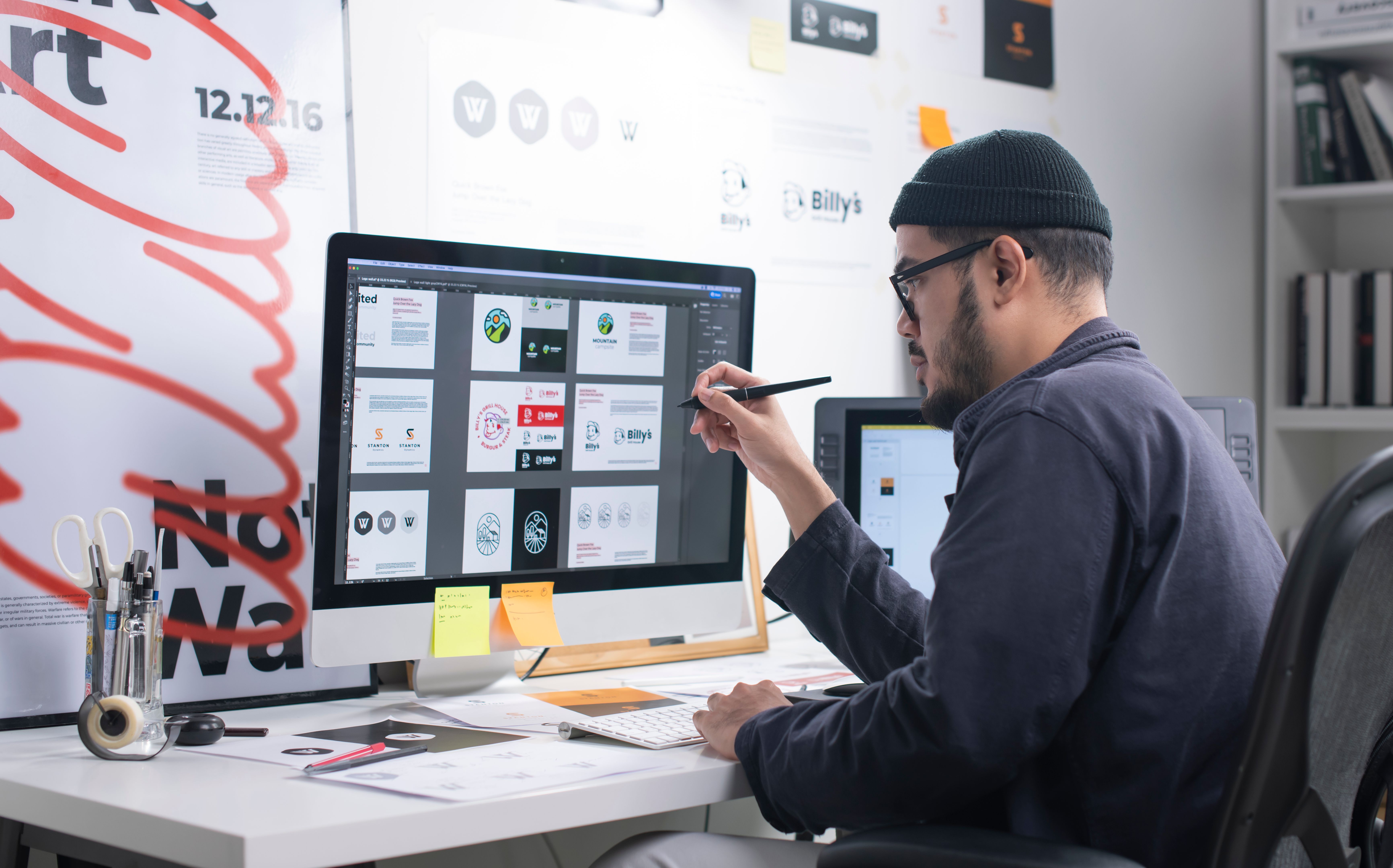
Avoiding Common Typography Errors
Typography is more than just choosing a font. It impacts readability, brand identity, and user perception. To avoid typography mistakes:
- Select fonts that reflect your brand's tone and are easy to read.
- Ensure consistent font sizes and spacing across all devices.
- Beware of using too many font styles, which can cause confusion.
Effective typography enhances your message and keeps users engaged.
Utilizing Feedback for Improvement
Feedback is a powerful tool in refining your design. Encourage honest opinions from users and stakeholders to identify areas for improvement. Consider:
- Conducting usability testing to gather real-world insights.
- Implementing iterative design processes for continuous enhancement.
- Actively listening to constructive criticism to foster growth.
Leveraging feedback ensures your design evolves with user needs.

Staying Updated with Design Trends
The design landscape is constantly changing. Staying updated with the latest trends keeps your work fresh and relevant. However, be cautious not to chase trends at the expense of your brand identity. Successful designers:
- Incorporate trends that align with their brand and audience.
- Test new ideas on a small scale before full implementation.
- Balance innovation with timeless design principles.
By thoughtfully integrating trends, you maintain a modern yet authentic design.
In conclusion, avoiding common design mistakes requires a strategic approach that prioritizes user experience, simplicity, effective typography, and continuous improvement. By staying informed and receptive to feedback, you ensure your designs not only meet but exceed expectations.