
Expert Tips for Incorporating Sustainable Design


Understanding Sustainable Design
Sustainable design is an approach that seeks to reduce negative impacts on the environment and promote the health and comfort of building occupants. The goal of sustainable design is to create spaces that are environmentally responsible and resource-efficient throughout a building's life cycle. Understanding the principles of sustainable design is the first step toward implementing it effectively.
By incorporating sustainable practices, designers can significantly reduce waste, conserve energy, and create healthier living environments. This not only benefits the planet but also enhances the quality of life for individuals who occupy these spaces.
Choosing Sustainable Materials
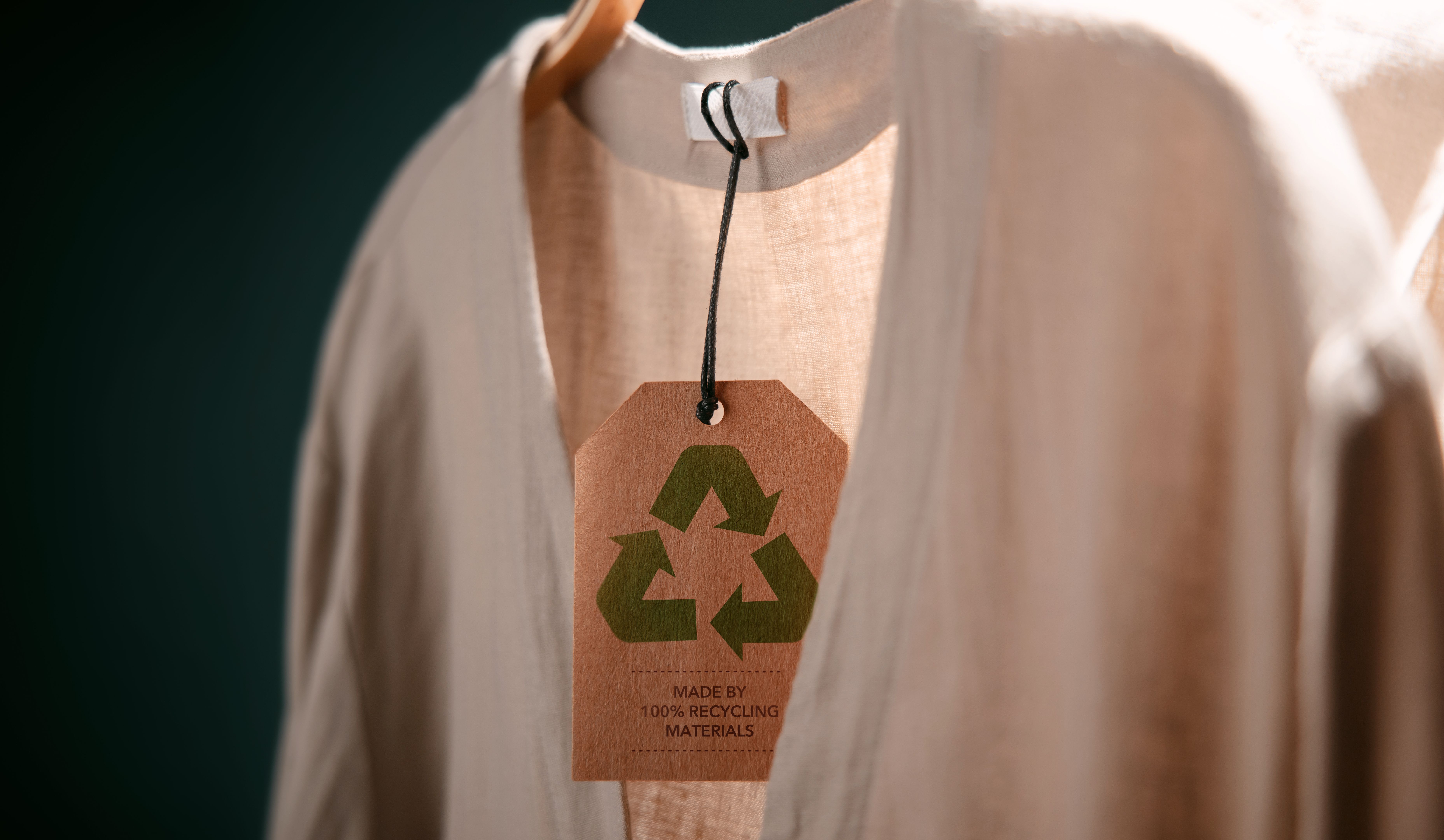
One of the most crucial aspects of sustainable design is selecting the right materials. Opt for materials that are locally sourced, recycled, or rapidly renewable. This reduces the carbon footprint associated with transportation and manufacturing.
Consider materials such as bamboo, reclaimed wood, and recycled metal. These options not only minimize environmental impact but also bring unique textures and aesthetics to your design projects.
Benefits of Sustainable Materials
- Reduced Environmental Impact: Using sustainable materials helps conserve natural resources.
- Energy Efficiency: Many sustainable products are designed to be more energy-efficient.
- Healthier Spaces: Sustainable materials often have fewer harmful chemicals, promoting better indoor air quality.
Integrating Energy-Efficient Systems
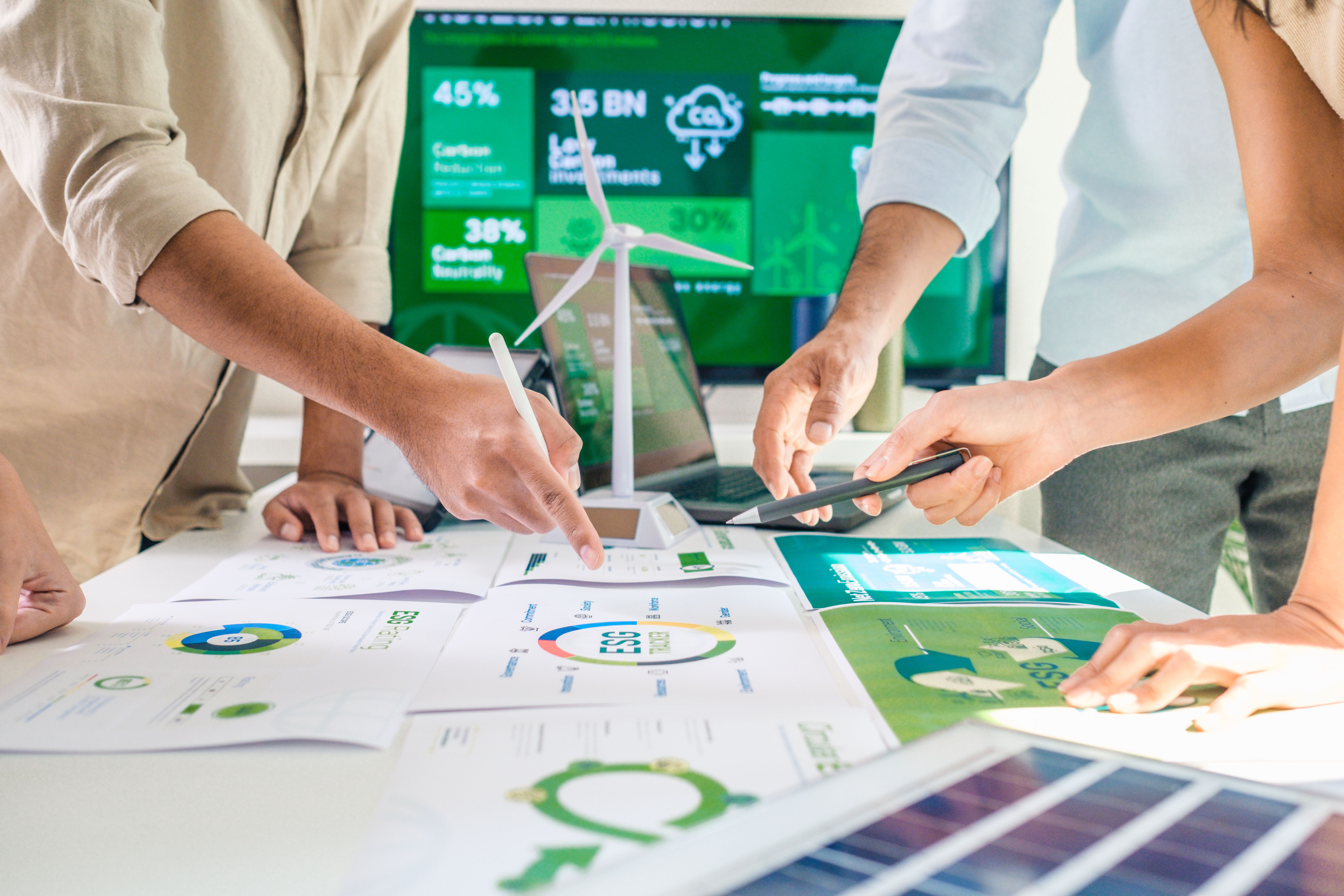
Energy efficiency is a cornerstone of sustainable design. Incorporating systems that use less energy can drastically reduce a building's environmental impact and operational costs. Consider using solar panels, energy-efficient lighting, and smart thermostats.
LED lighting, for example, consumes significantly less electricity than traditional bulbs and lasts much longer, making it an excellent choice for sustainable design. Additionally, smart home technologies can optimize energy usage by adjusting lighting, heating, and cooling based on occupancy and time of day.
Implementing Renewable Energy Solutions
Incorporating renewable energy sources like solar or wind power can further enhance the sustainability of a design project. Not only do these solutions reduce reliance on fossil fuels, but they also offer long-term cost benefits.

Designing for Longevity and Flexibility
Creating designs that are built to last is another essential aspect of sustainability. Choose durable materials and timeless designs that will remain functional and appealing over time. This reduces the need for frequent renovations and the associated waste.
Flexibility in design allows spaces to adapt to changing needs without requiring significant alterations. This approach can extend the life of a building and keep it relevant to its users.
Creating Adaptive Spaces
Design spaces that can easily be reconfigured for different uses. Movable walls, modular furniture, and multi-purpose areas can all contribute to a design's flexibility and sustainability.

Emphasizing Water Conservation
Water conservation is often overlooked in sustainable design, yet it plays a critical role. Implement low-flow fixtures, rainwater harvesting systems, and drought-resistant landscaping to minimize water use.
These strategies not only conserve a vital resource but also reduce water bills and associated costs. By prioritizing water conservation, you contribute to a more sustainable and resilient future.