
How Local Climate Influences Design Choices in Cook County


Understanding Cook County's Unique Climate
Cook County, known for its diverse urban and suburban landscapes, experiences a varied climate that significantly influences local design choices. The county’s climate is classified as humid continental, characterized by hot summers and cold, snowy winters. This climate requires homeowners and designers to consider durability, insulation, and adaptability when planning new projects.
With seasonal temperature fluctuations, selecting the right materials becomes crucial. Materials must withstand extreme temperatures, humidity changes, and precipitation, ensuring longevity and comfort. These factors guide decisions in both exterior and interior design, impacting everything from roofing materials to window types.

Exterior Design Considerations
Choosing the Right Materials
In Cook County, the choice of materials for exterior design is heavily influenced by the need to withstand harsh weather conditions. Brick and stone are popular choices due to their durability and insulating properties. Additionally, fiber cement siding is often used for its ability to resist decay and maintain its appearance despite weather challenges.
Roofing materials also play a pivotal role in design decisions. Asphalt shingles are commonly used for their affordability and resilience, while metal roofing offers longevity and better energy efficiency, reflecting heat during hot summers.
Landscaping for All Seasons
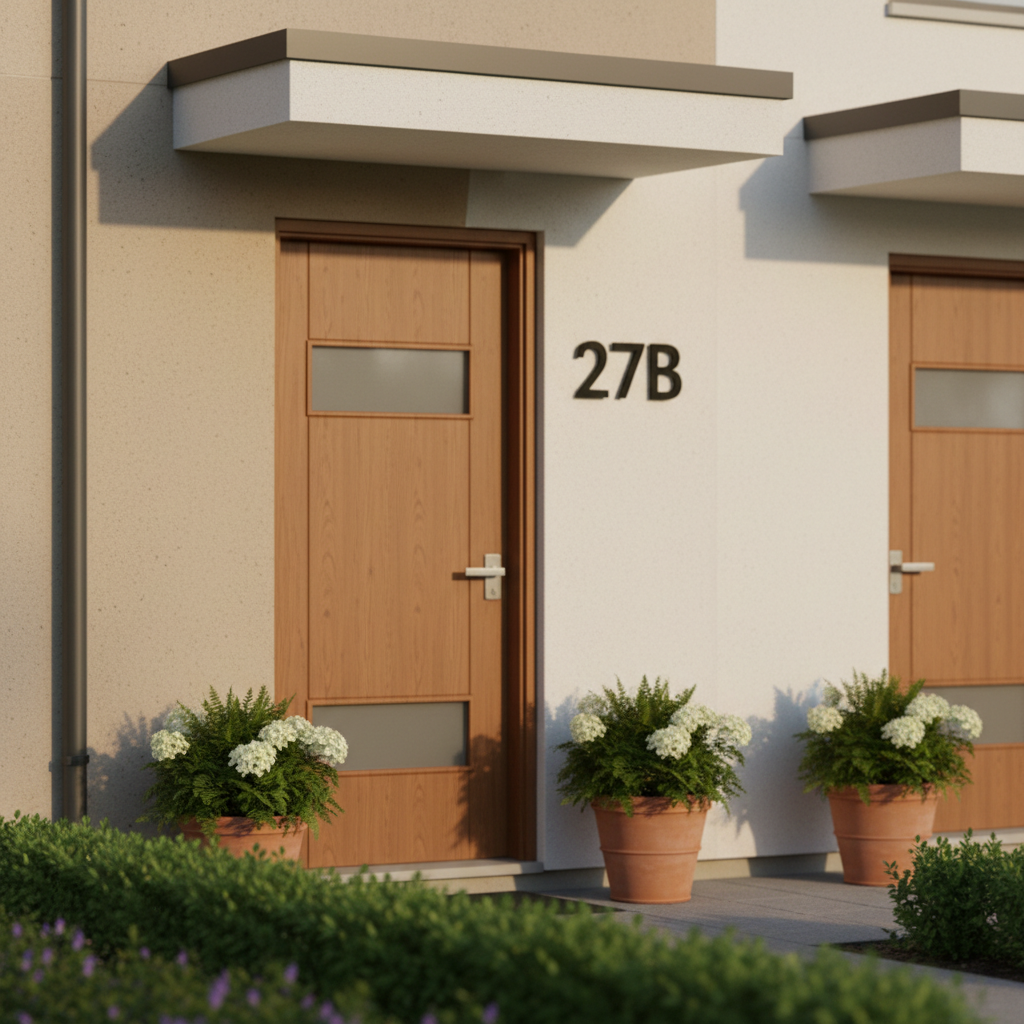
Landscaping in Cook County must account for the region's climate extremes. Drought-resistant plants are preferred for summer months, while evergreens provide year-round greenery and act as windbreaks during the winter. The use of native plants is encouraged as they are naturally adapted to local climate conditions, requiring less maintenance and irrigation.
Interior Design Adaptations
Insulation and Energy Efficiency
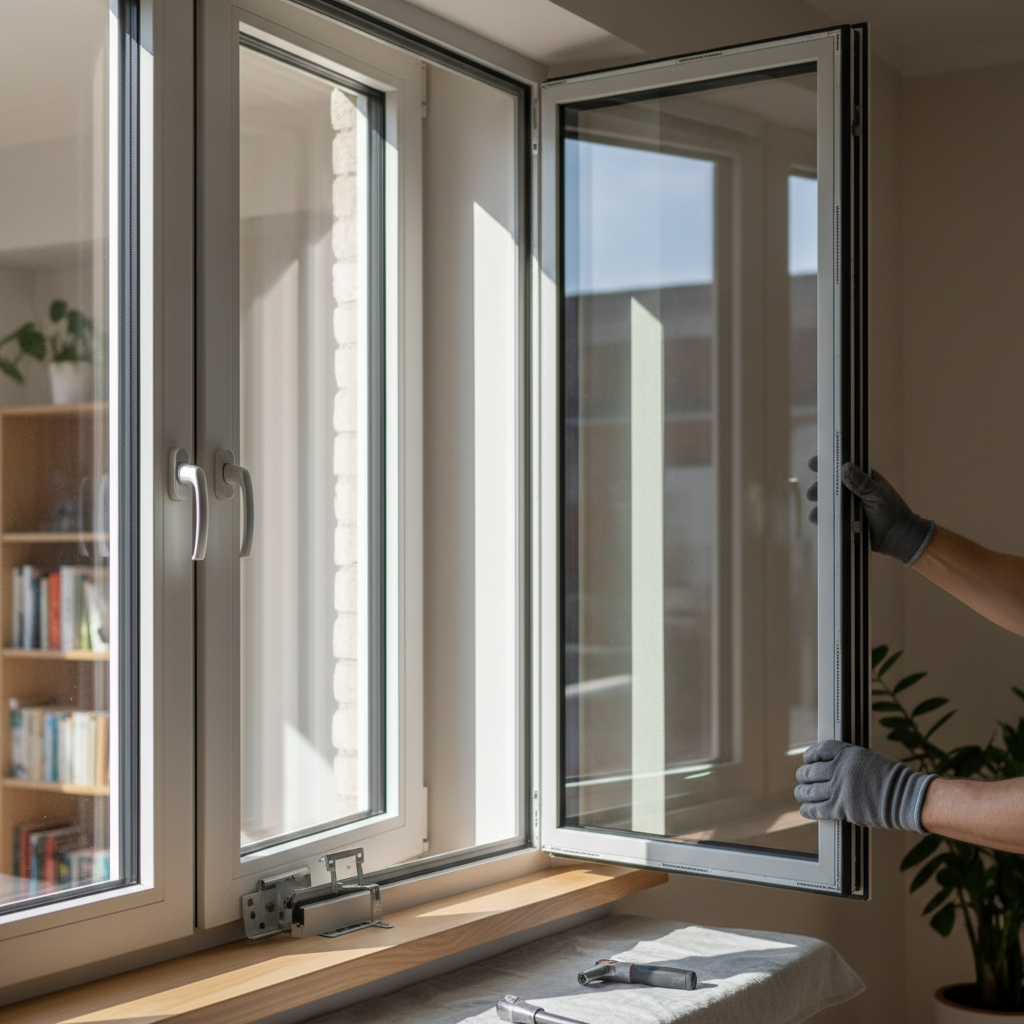
One of the most critical aspects of interior design in Cook County is ensuring adequate insulation. Proper insulation not only keeps homes warm during frigid winters but also helps maintain cool indoor temperatures in the summer. Homeowners often invest in double or triple-pane windows to improve energy efficiency and reduce heating and cooling costs.
Flexible Living Spaces
Given the climate variability, creating flexible living spaces is a growing trend. Incorporating sunrooms or enclosed porches allows residents to enjoy natural light and outdoor views year-round, regardless of the weather. These spaces often feature operable windows and screens to adapt to changing conditions.
Furthermore, the use of thermal mass, such as concrete floors or tiled walls, can help maintain comfortable indoor temperatures by absorbing and slowly releasing heat.
Conclusion
Designing homes and spaces in Cook County requires a strategic approach that considers local climate conditions. By understanding the unique challenges posed by the region's weather, designers can create functional, aesthetically pleasing, and sustainable environments. Whether through material selection, landscaping, or interior adaptations, the influence of climate is evident in every aspect of design within the county.