How to Choose the Right Design Style for Your Home


Understanding Your Personal Style
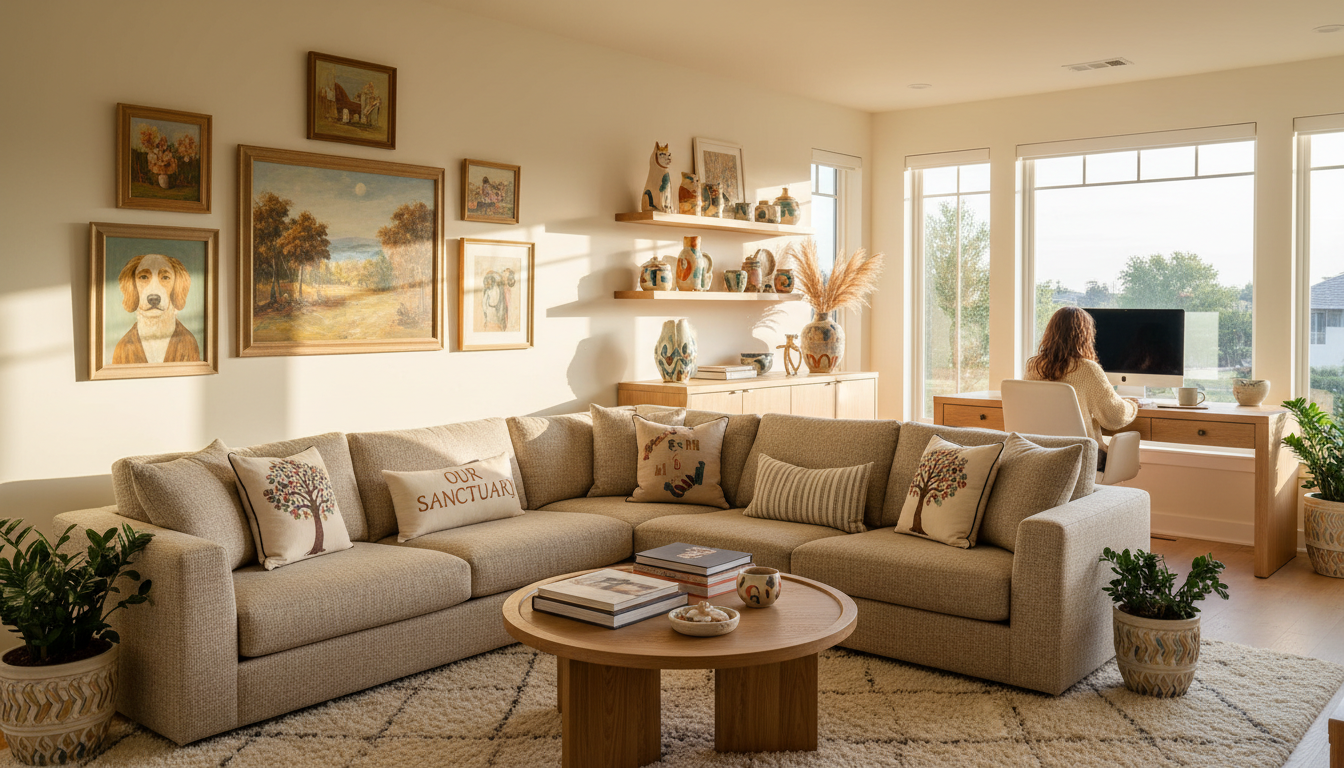
Choosing the right design style for your home starts with understanding your personal preferences. Spend some time reflecting on what makes you feel comfortable and inspired. Consider the colors, textures, and patterns that resonate with you. Are you drawn to minimalist spaces, or do you prefer a bohemian vibe?
To make this process easier, create a mood board using images and materials that catch your eye. Platforms like Pinterest can be a great starting point. By identifying common themes, you'll get a clearer picture of your unique style.
Exploring Popular Design Styles
Modern and Minimalist
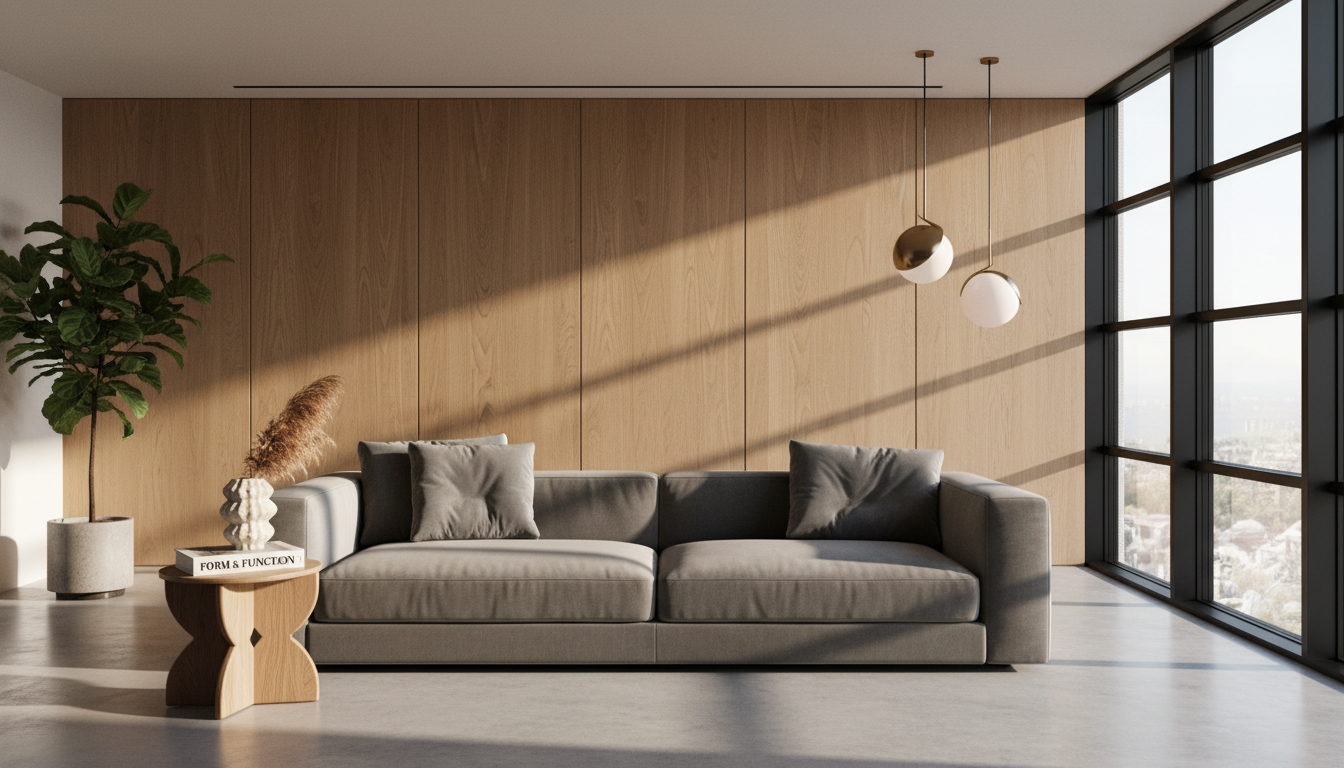
If you appreciate clean lines and a clutter-free environment, a modern or minimalist design might be your best choice. These styles focus on functionality and simplicity, often incorporating neutral colors and sleek furniture. The mantra here is "less is more."
Traditional and Classic
For those who love timeless elegance, a traditional or classic style could be appealing. This design often includes rich wood tones, ornate detailing, and a warm color palette. It's about creating a sense of comfort and familiarity.
Assessing Your Space
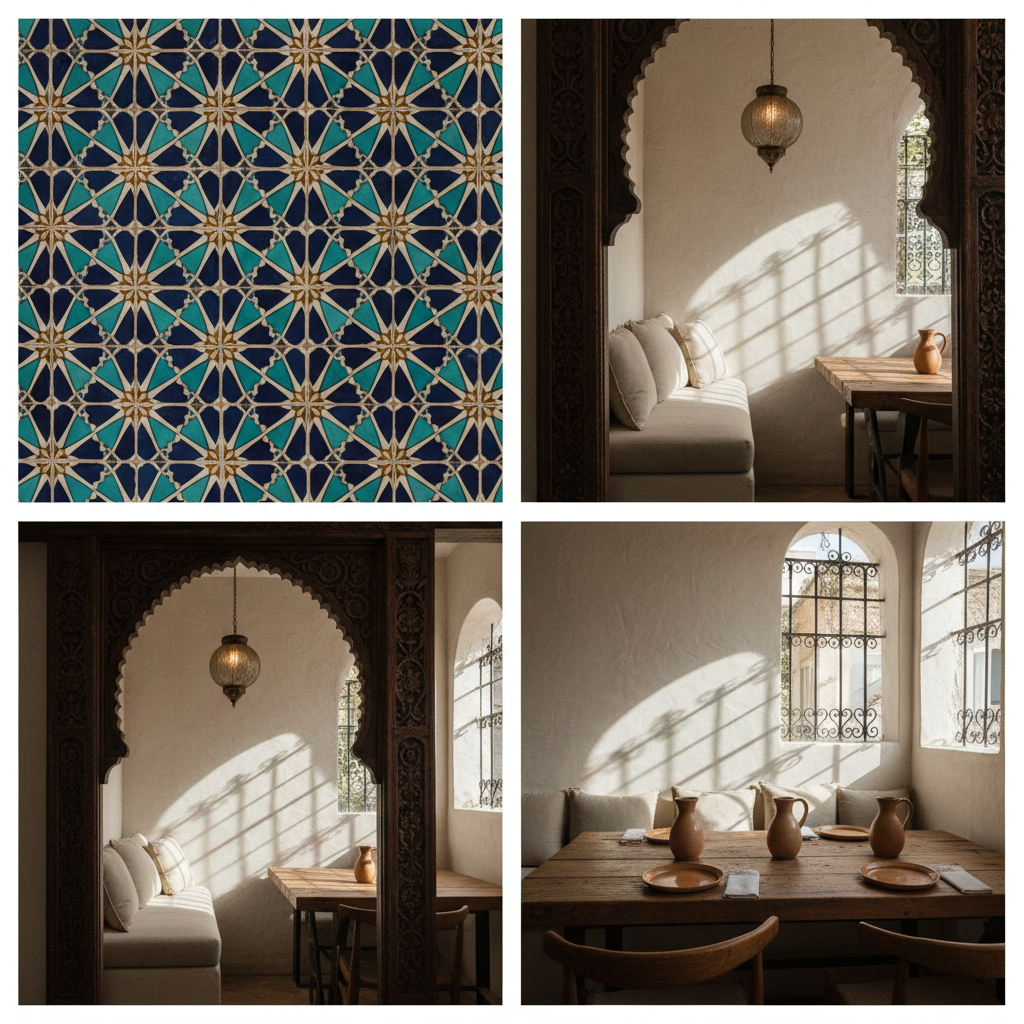
Before deciding on a design style, assess the architectural features of your home. Some styles naturally complement certain types of spaces. For example, a modern loft with exposed beams may suit an industrial style, while a cozy cottage might be better suited for a rustic or farmhouse look.
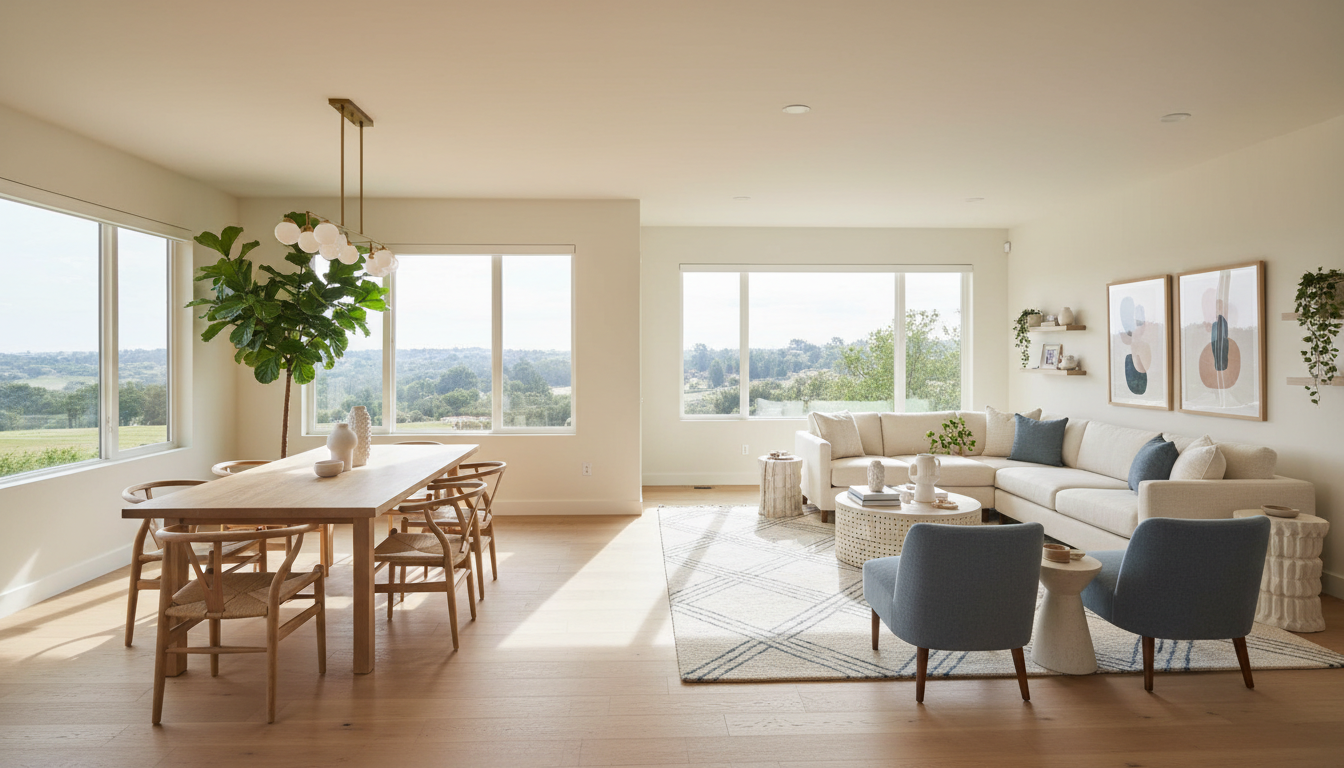
Consider the size and layout of each room. Open floor plans can benefit from a cohesive design style throughout, whereas segmented spaces might allow for more variety and experimentation.
Setting a Budget
Designing a space is not just about aesthetics; it's also about practicality. Setting a budget early on will help you make informed decisions and prioritize where to invest your resources. Whether you're doing a full renovation or simply refreshing a room, knowing your financial limits is crucial.
Make a list of essentials and nice-to-haves. For example, investing in a high-quality sofa might be a priority, while decorative items can be added over time.
Finding Inspiration and Making It Your Own
Once you have a direction in mind, start gathering inspiration from a variety of sources. Magazines, online blogs, and design shows can offer fresh ideas. Pay attention to the details that capture your attention and think about how they can be integrated into your own space.
Remember, the goal is to create a home that reflects your personality. Don't be afraid to blend styles or incorporate unique pieces that tell your story. The most inviting spaces often feature a personal touch.