
Myth-Busting: Common Misconceptions About Interior Design


Understanding Interior Design
Interior design is often misunderstood, and many myths have emerged over time. These misconceptions can deter homeowners from exploring the full potential of their spaces. Let's debunk some of the most common myths and provide a clearer understanding of what interior design truly entails.
One of the most prevalent myths is that interior design is only for the wealthy. While it's true that luxury designs can be costly, there are plenty of budget-friendly options available. Interior designers work with various budgets to create beautiful spaces tailored to individual needs.
Interior Design vs. Interior Decorating
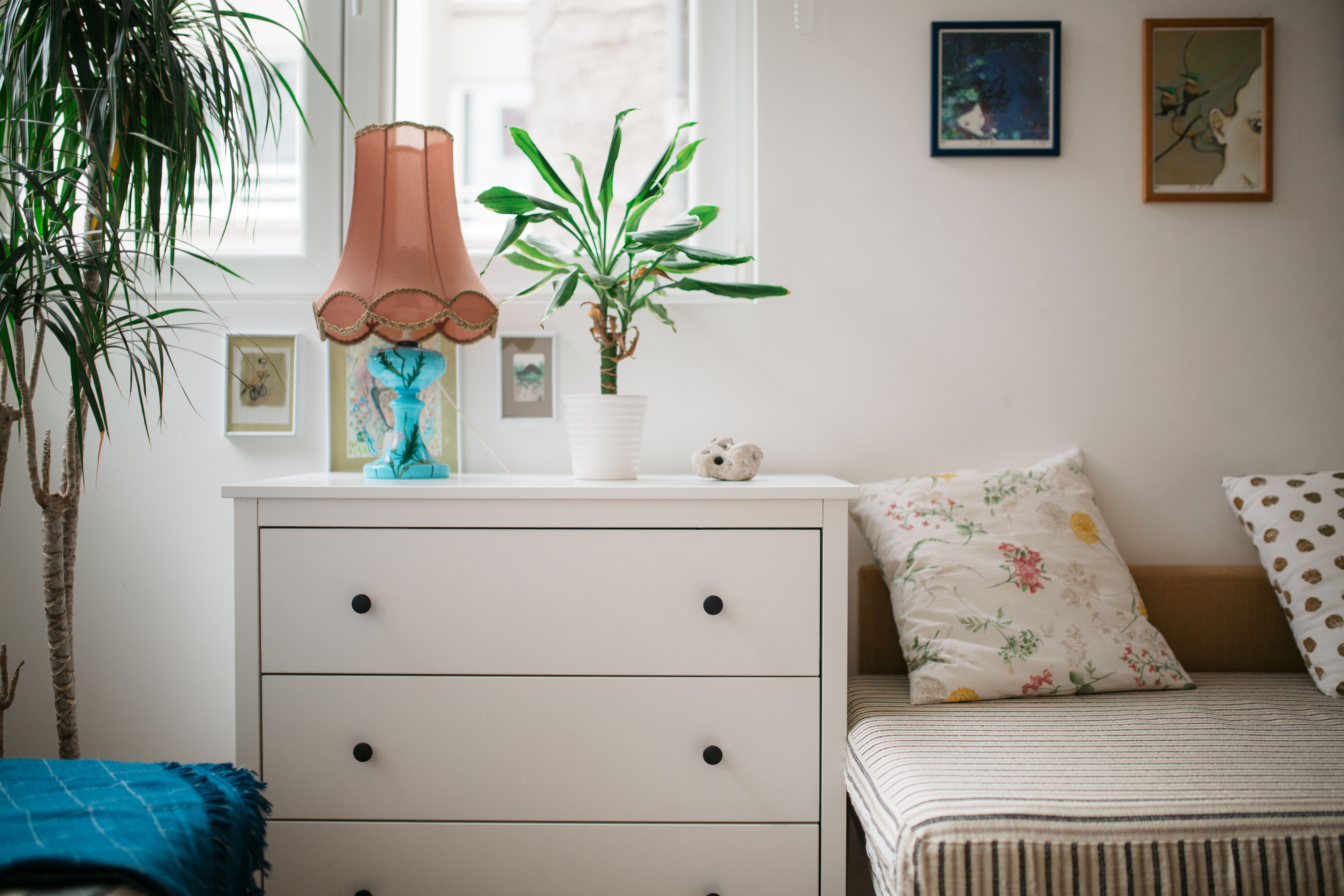
Another common misconception is that interior design and interior decorating are the same. While they share some similarities, they are distinct fields. Interior design involves a deeper understanding of architecture, spatial planning, and the functionality of a space, whereas interior decorating focuses on aesthetics, such as color schemes, furniture, and accessories.
Interior designers often collaborate with architects and builders to ensure that a space is both functional and visually appealing. They consider factors like lighting, acoustics, and even building codes, which are often overlooked in mere decorating.
Personal Style and Trends
Many people believe that interior design means following the latest trends. However, a good designer prioritizes personal style over fleeting trends. They work to understand the client's preferences and incorporate them into a timeless design that reflects the client's personality.
Trends can certainly inspire, but they shouldn't dictate the entire design. A well-designed space is one that feels comfortable and resonates with those who use it daily.
The Role of Color in Design
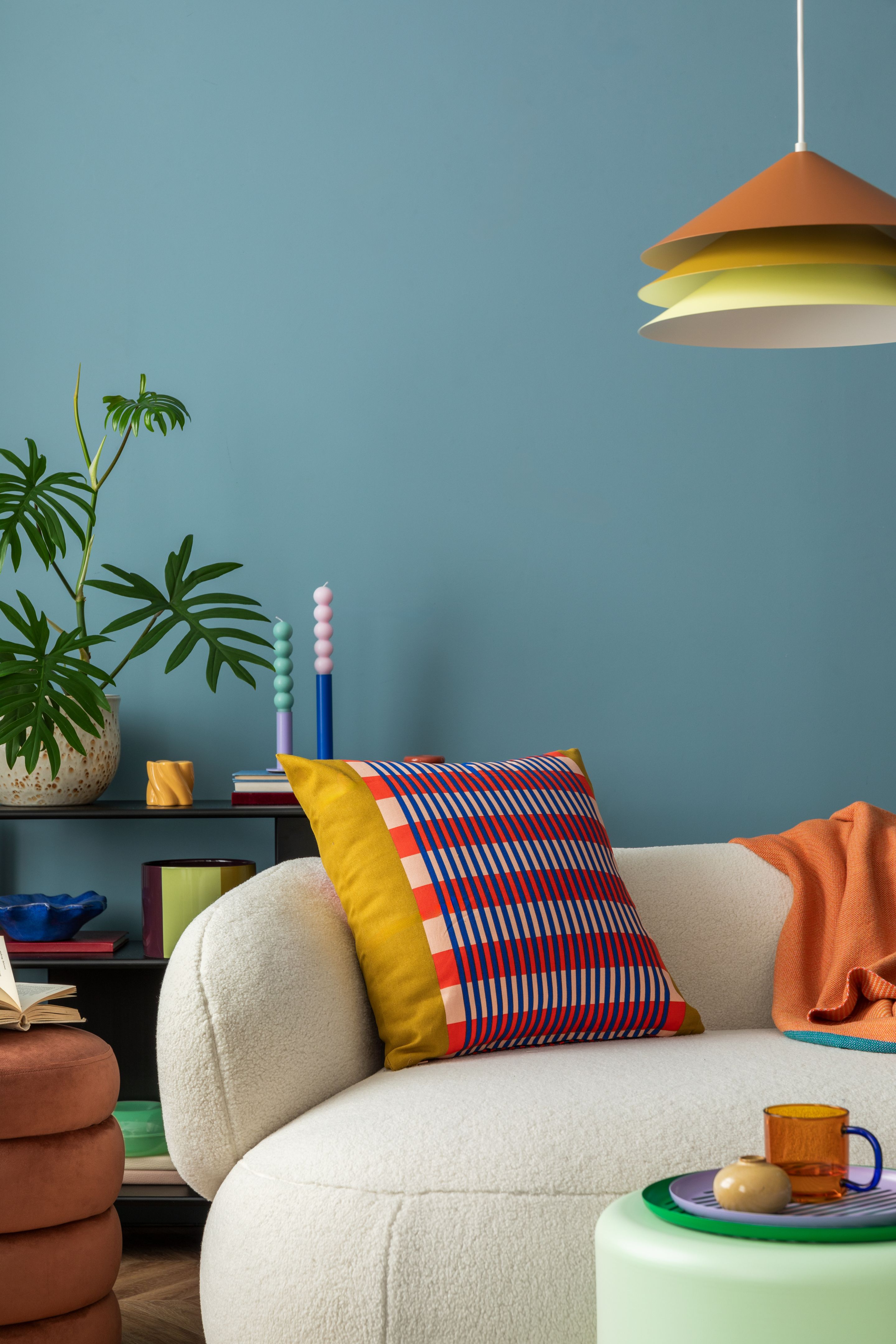
There's a myth that dark colors make a room feel smaller and that light colors always make it feel larger. While color can influence perception, it's not that straightforward. Dark colors can add depth and coziness when used correctly, while light colors can open up a space but may lack character if overused.
Successful interior design often involves a strategic mix of colors to create balance and harmony in a space. Designers consider factors like natural light and room purpose when selecting color palettes.
DIY vs. Professional Design
Some believe that interior design can easily be done without professional help. While DIY projects can be rewarding, they often lack the expertise and insight that professionals bring. Interior designers possess a trained eye and have access to resources and networks that can elevate a project.
Hiring a designer can actually save time and money in the long run by preventing costly mistakes and ensuring that a project is completed efficiently and effectively.