
Myth-Busting: Common Misconceptions About Interior Design


Understanding Interior Design
Interior design is often shrouded in myths and misconceptions. People frequently believe that it’s only about making a space look aesthetically pleasing. However, interior design encompasses much more than superficial beauty. It involves functionality, psychology, and lifestyle integration.
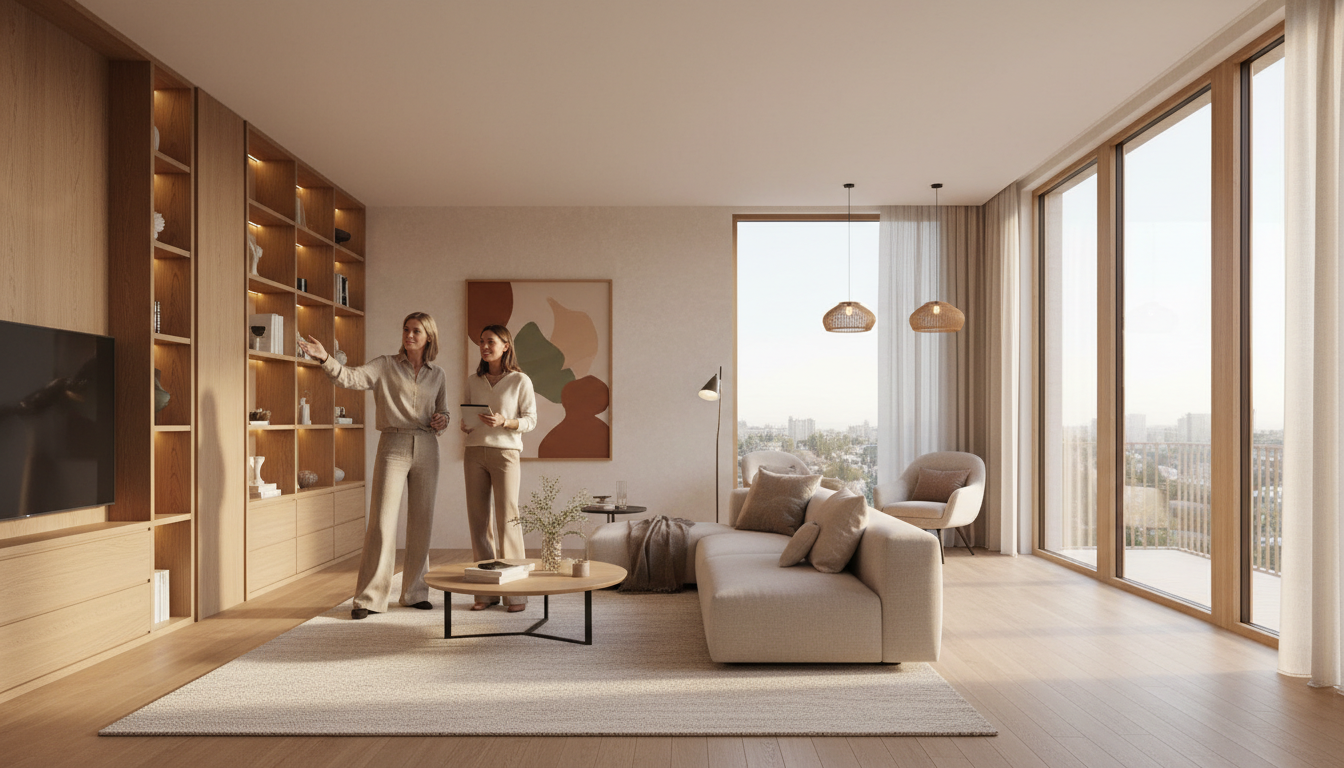
Myth 1: Interior Design is Only for the Wealthy
One common myth is that interior design services are exclusive to the wealthy. While luxury designs can be expensive, there are affordable options available for any budget. Many designers offer scalable services, allowing you to tailor their involvement based on your financial situation.
Additionally, investing in design can save money in the long run by avoiding costly mistakes and improving the functionality of your space.
Myth 2: You Must Follow Design Trends
Trends come and go, but personal style is timeless. Many people feel pressured to follow the latest design trends to make their homes look modern. However, a good designer will focus on what resonates with the client rather than what's trending.
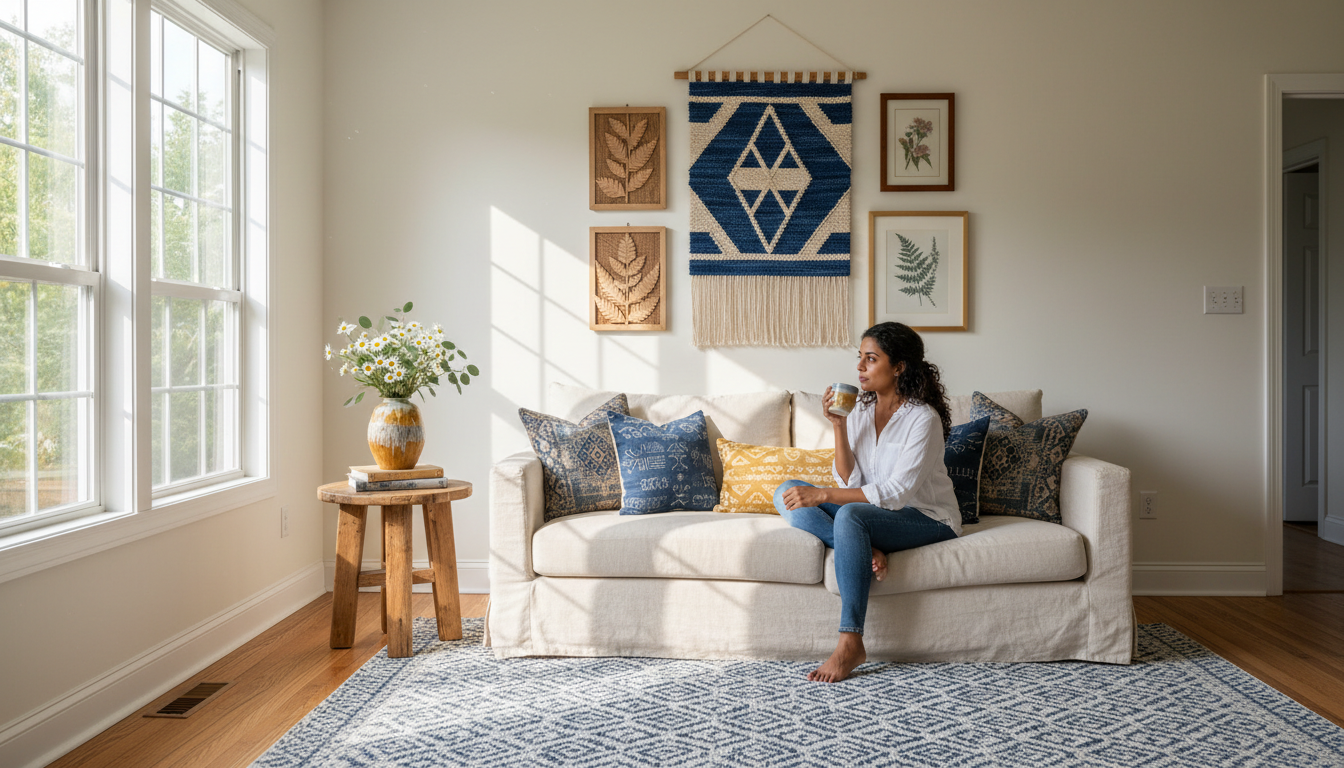
Creating a space that reflects your personality and meets your needs should be the ultimate goal. Trends can inspire, but they shouldn’t dictate your choices.
Myth 3: Small Spaces Don’t Need Design
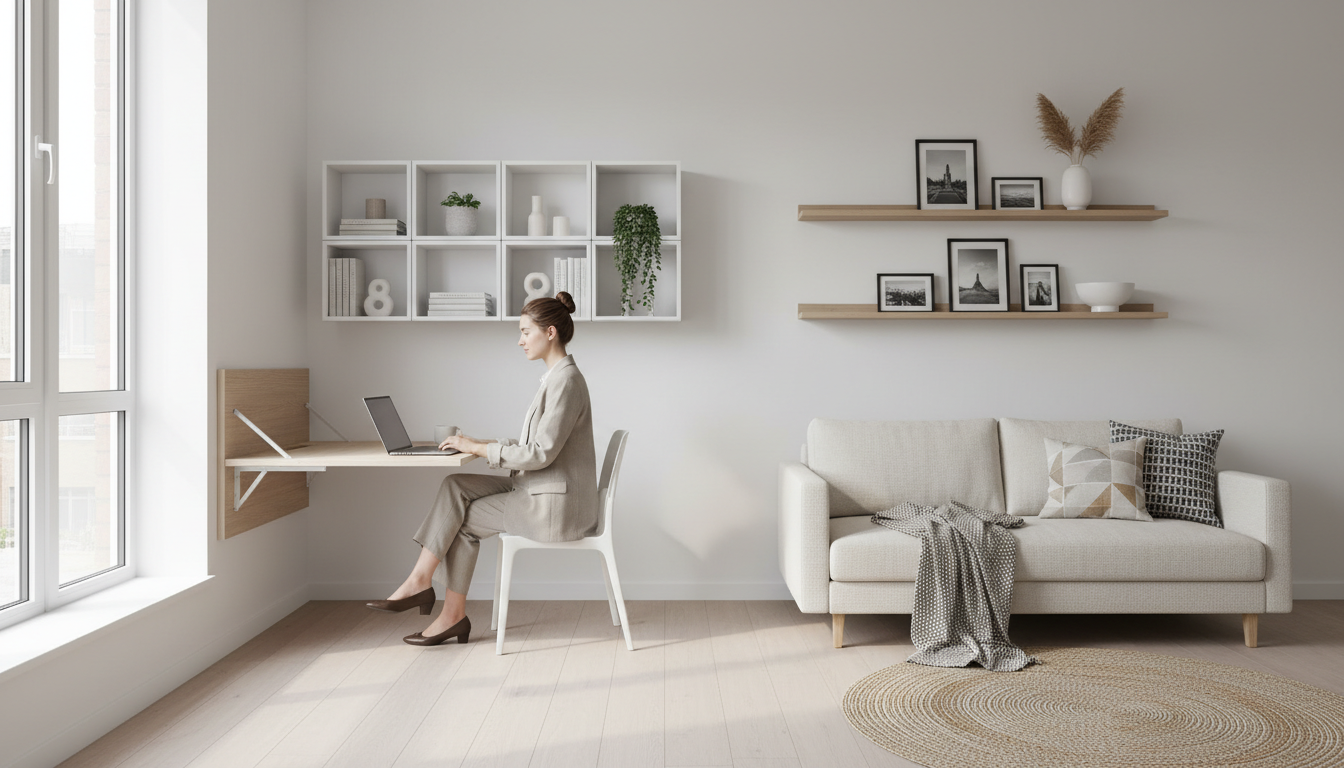
Another misconception is that small spaces don’t require design attention. In reality, thoughtful design is crucial in smaller areas to maximize functionality and comfort. Clever use of color, lighting, and furniture can transform a cramped space into a cozy, efficient environment.
- Utilize multi-functional furniture.
- Incorporate vertical storage solutions.
- Use lighter colors to create an illusion of space.
Myth 4: Interior Design is Just Decorating
Decorating is only a part of interior design. While decorating focuses on aesthetics, interior design involves understanding architectural principles, spatial dynamics, and human behavior. It’s about creating a cohesive environment that enhances the quality of life.
Professional designers consider factors like lighting, acoustics, and ergonomics, ensuring a space is not only beautiful but also functional and comfortable.
Myth 5: You Can’t Mix Styles
Finally, many believe that mixing styles is a design faux pas. However, blending different styles can create a unique and personalized space. The key is to maintain balance and harmony through a cohesive color palette and complementary textures.
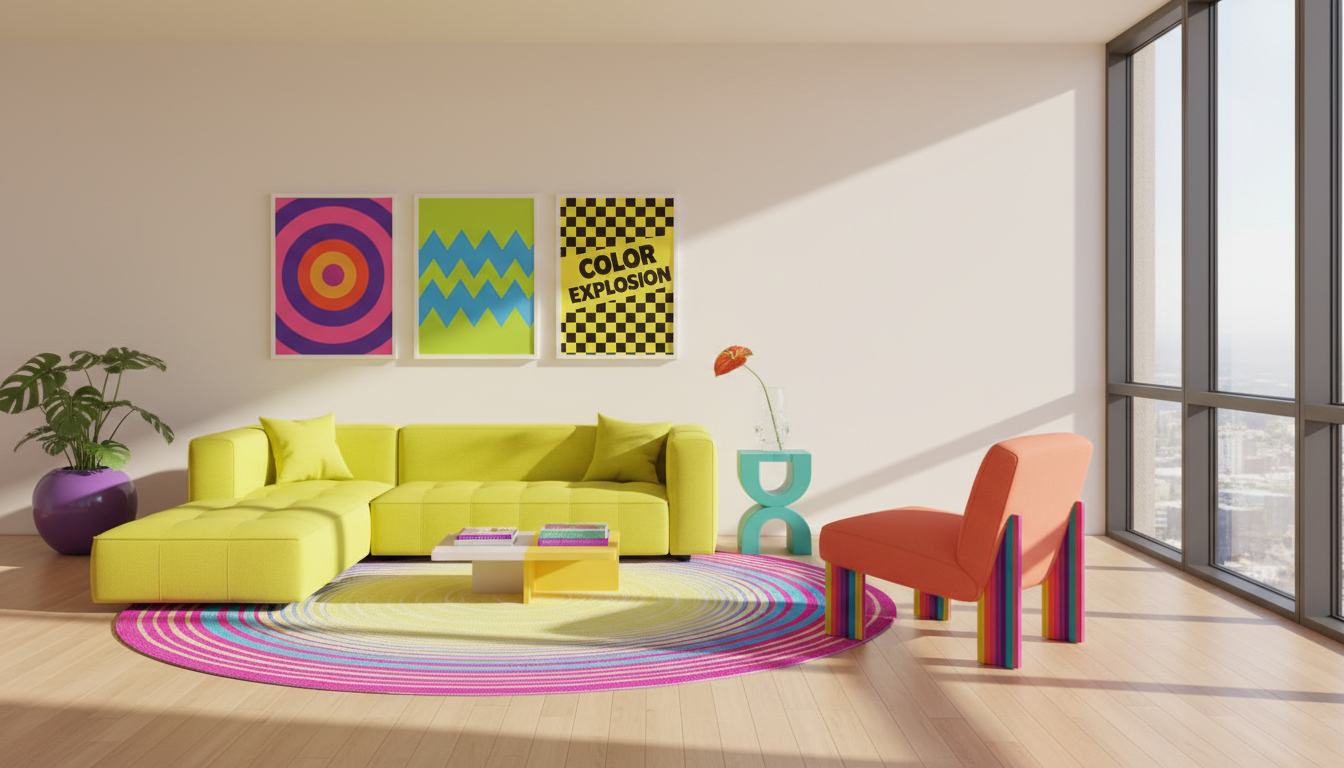
Incorporating diverse elements can add depth and interest, making your space truly one-of-a-kind.
By debunking these myths, we see that interior design is an inclusive, versatile field that caters to various needs and preferences. Whether you’re on a budget, living in a small space, or wanting to mix styles, interior design can enhance your living experience in meaningful ways.