
Myth-Busting: Common Misconceptions About Sustainable Design


Sustainable design is more than just a buzzword; it's a vital approach to creating spaces and products that respect our planet. However, several myths persist about what sustainable design truly entails. In this post, we'll debunk some common misconceptions, shedding light on the realities of eco-friendly practices.
Sustainable Design is Too Expensive
One of the most pervasive myths is that sustainable design comes with a hefty price tag. While initial costs can sometimes be higher, the long-term savings are significant. Energy-efficient buildings, for example, reduce utility bills and maintenance costs over time, making them a wise investment.
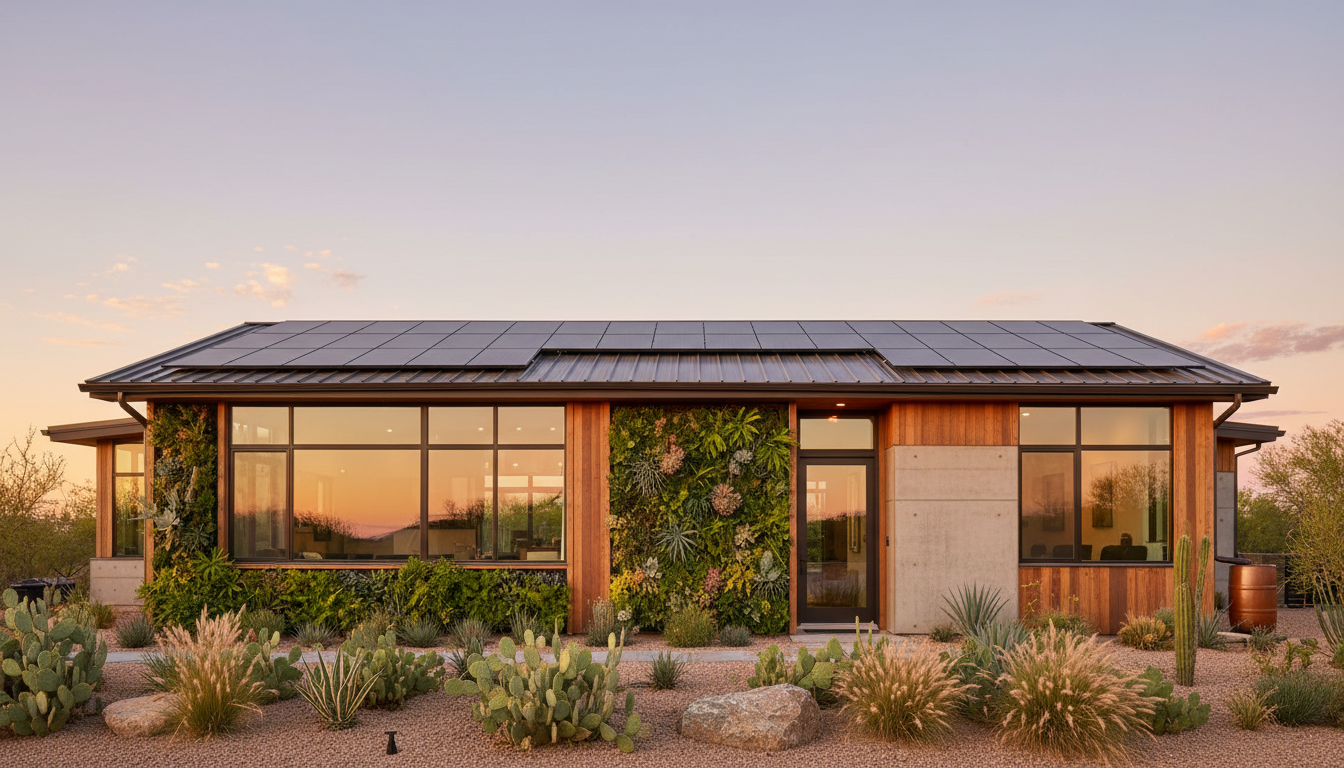
Moreover, as demand for sustainable materials and technologies grows, prices are becoming more competitive. The key is to consider the life-cycle cost rather than just the upfront expense.
Eco-Friendly Means Sacrificing Aesthetics
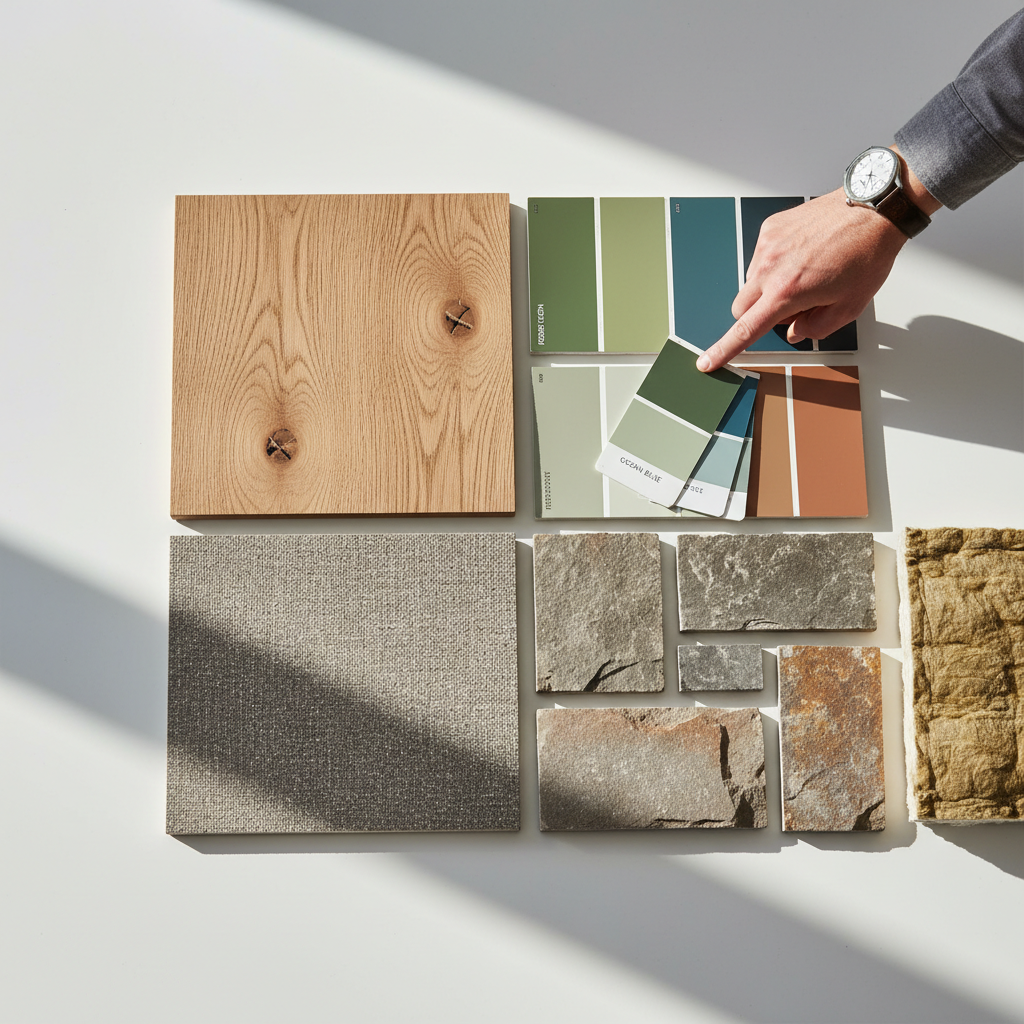
Another misconception is that sustainable design compromises beauty and style. In reality, eco-friendly materials and innovative technologies can enhance aesthetic appeal. Designers now have access to a plethora of sustainable options that are both functional and visually stunning.
From recycled glass countertops to bamboo flooring, the possibilities are endless. These materials not only contribute to a healthier environment but also add unique character to any space.
Sustainability is Only About Energy Efficiency
While energy efficiency is a crucial component, sustainable design encompasses much more. It includes water conservation, waste reduction, and the use of non-toxic materials. The goal is to create holistic solutions that benefit both the environment and human health.
- Water-saving fixtures and appliances
- Recycling and composting systems
- Use of low-VOC paints and finishes
These elements work together to create spaces that are not only eco-friendly but also healthier for occupants.
Sustainable Design is Only for New Projects
Many people believe that sustainable design is only applicable to new builds. However, retrofitting existing structures with eco-friendly upgrades is equally important. Simple changes like installing energy-efficient lighting or improving insulation can have a substantial impact.
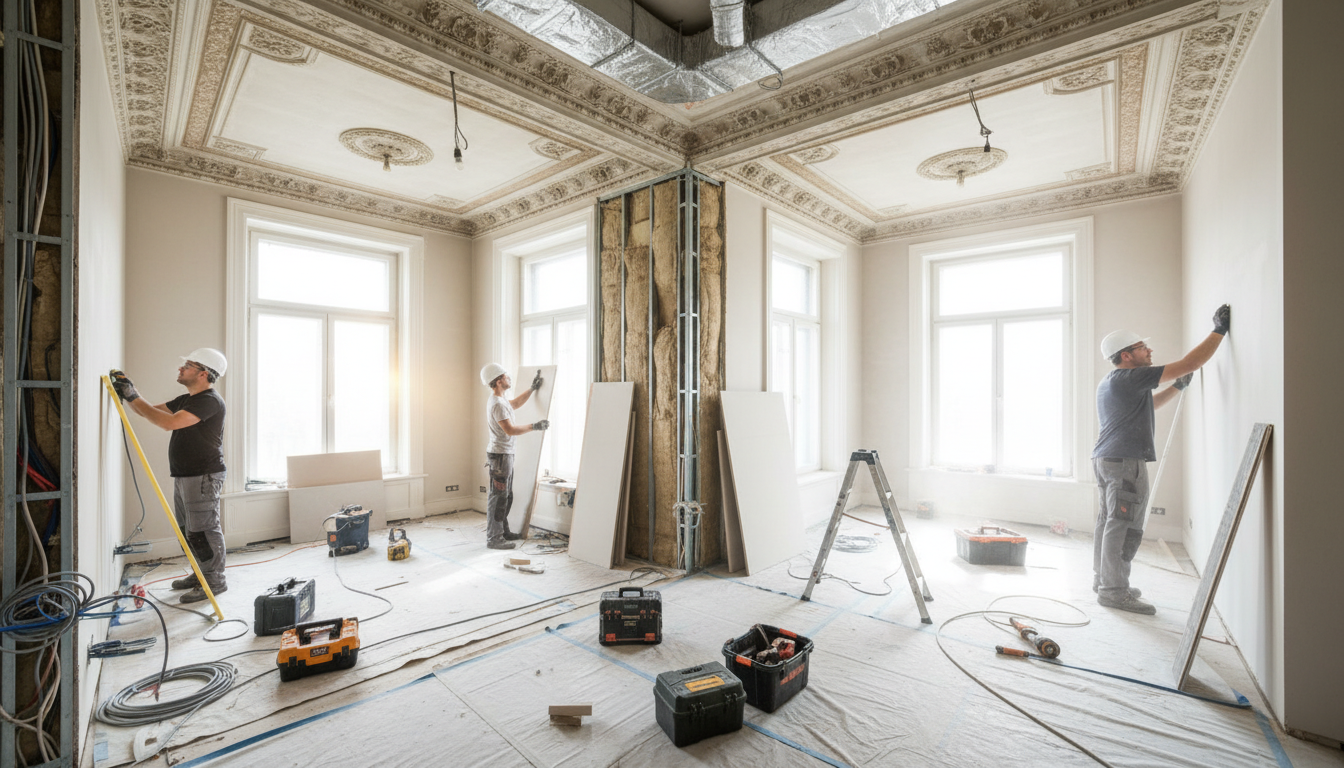
Renovating with sustainability in mind allows older buildings to reduce their carbon footprint while preserving their historical and cultural significance.
Sustainability is a Passing Trend
Finally, some view sustainability as a fleeting trend rather than a lasting movement. However, with increasing awareness and urgency around climate change, sustainable design is here to stay. Governments, businesses, and individuals are recognizing the necessity of integrating sustainable practices into everyday life.
As awareness grows, so does the commitment to creating a more sustainable future. Sustainable design is not just a trend—it's a necessary evolution in how we think about and interact with our environment.