
The Ultimate Guide to Modern Design Trends


Understanding Modern Design Trends
Modern design trends are ever-evolving, reflecting cultural shifts and technological advancements. Whether you're remodeling your home or updating a brand's visual identity, staying current with these trends can make a significant impact. This guide will explore some of the most prevalent trends influencing design today.
Minimalism with a Twist
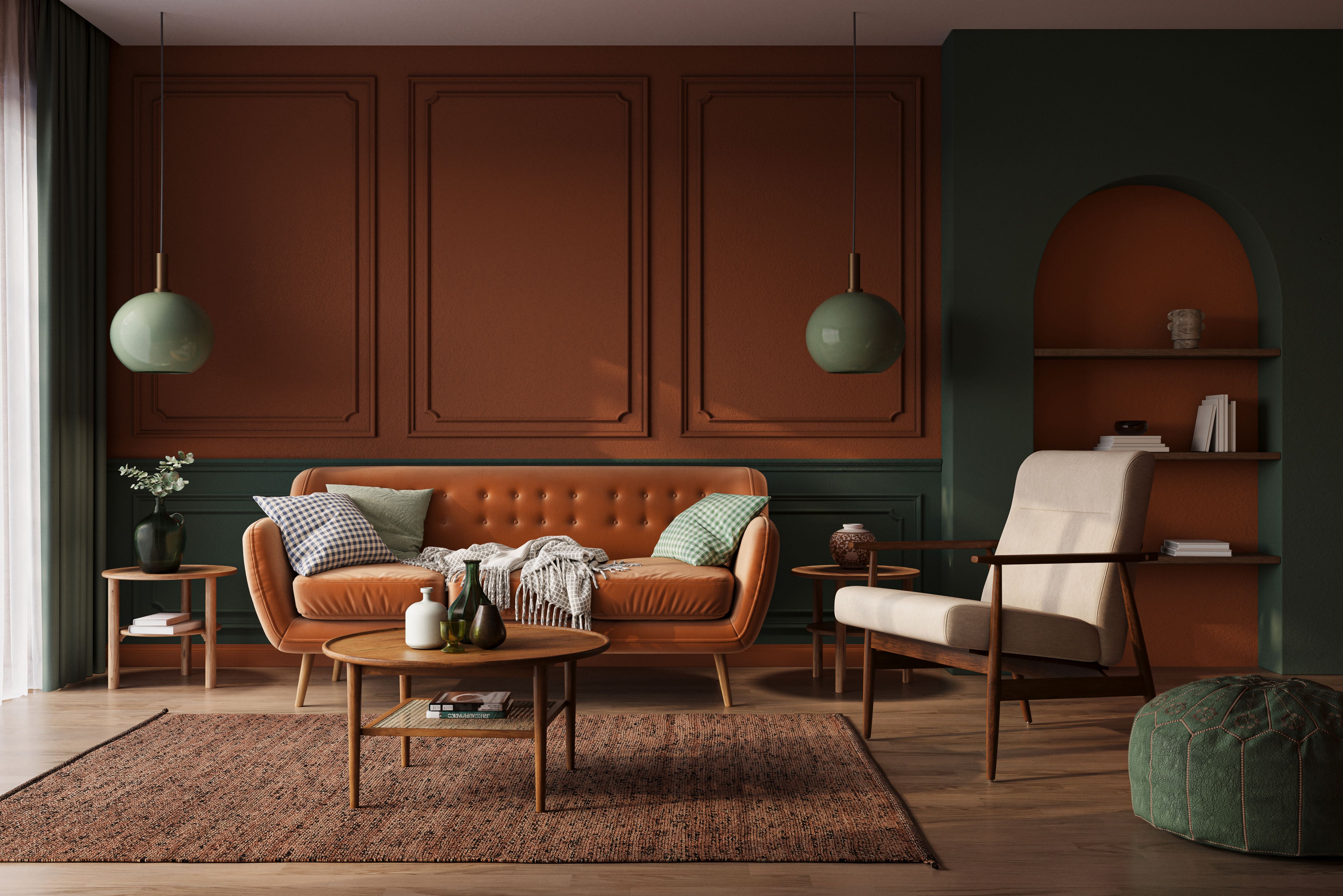
Minimalism continues to dominate the design world, but with a twist. While the core principles of clean lines and simplicity remain, modern minimalism incorporates bold colors and unique textures. This blend creates spaces and visuals that are both sleek and captivating. Consider integrating statement pieces that contrast with the overall simplicity to add a personal touch.
Color Palettes
Neutral tones are complemented by pops of vibrant color, adding personality without overwhelming the senses. Think of a soft gray room with a bright yellow chair or a monochrome outfit accented with a vivid accessory. This approach allows for creativity within the minimalist framework.
Biophilic Design
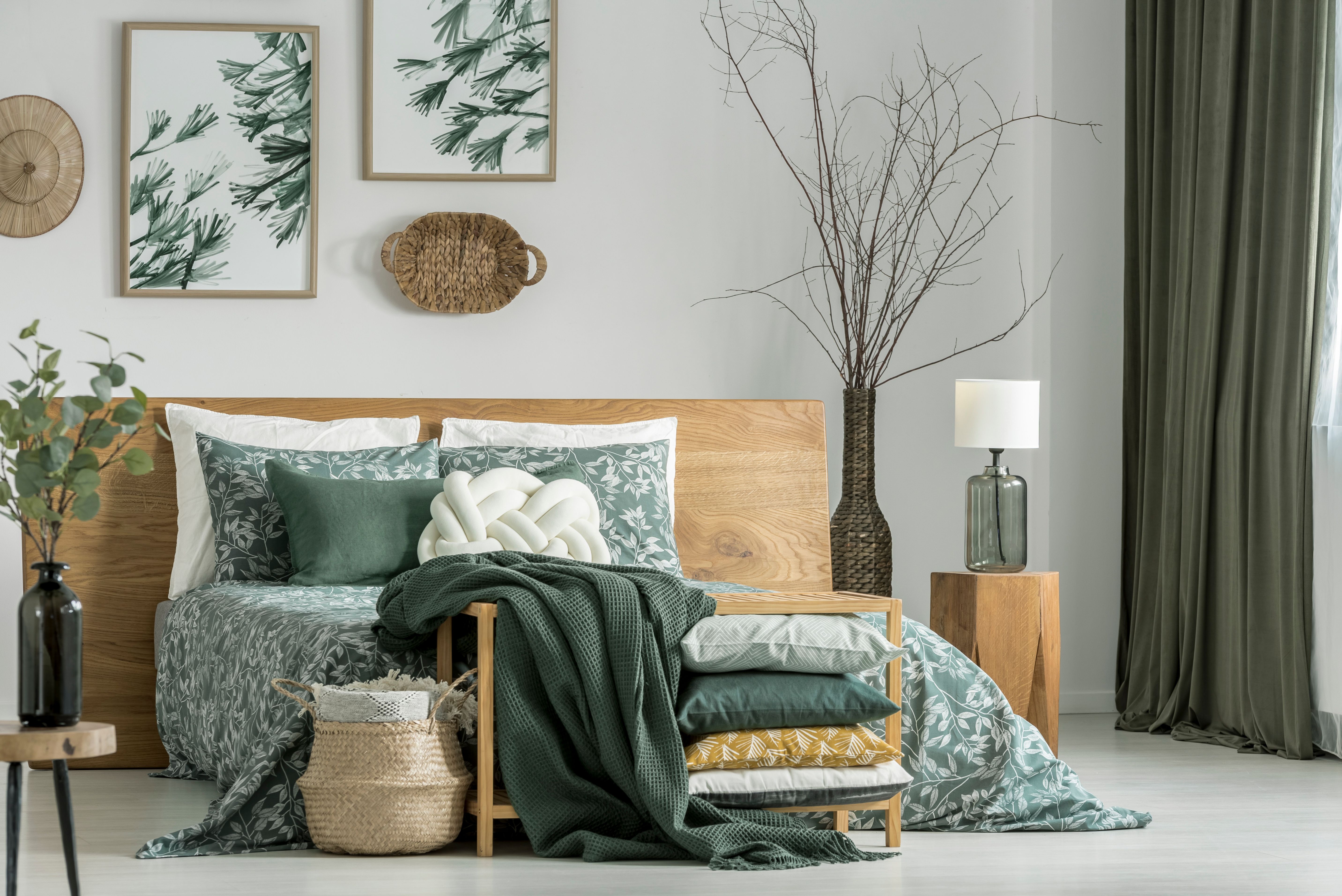
Biophilic design emphasizes a connection with nature, which can enhance well-being and productivity. This trend brings the outdoors inside through the use of natural materials, indoor plants, and ample natural light. It's about creating a harmonious environment that feels both calming and invigorating.
Sustainable Materials
Incorporating sustainable materials is a key element of biophilic design. Designers are opting for eco-friendly options such as reclaimed wood, bamboo, and recycled metals. This not only supports environmental conservation but also adds unique character to the design.
Technology Integration
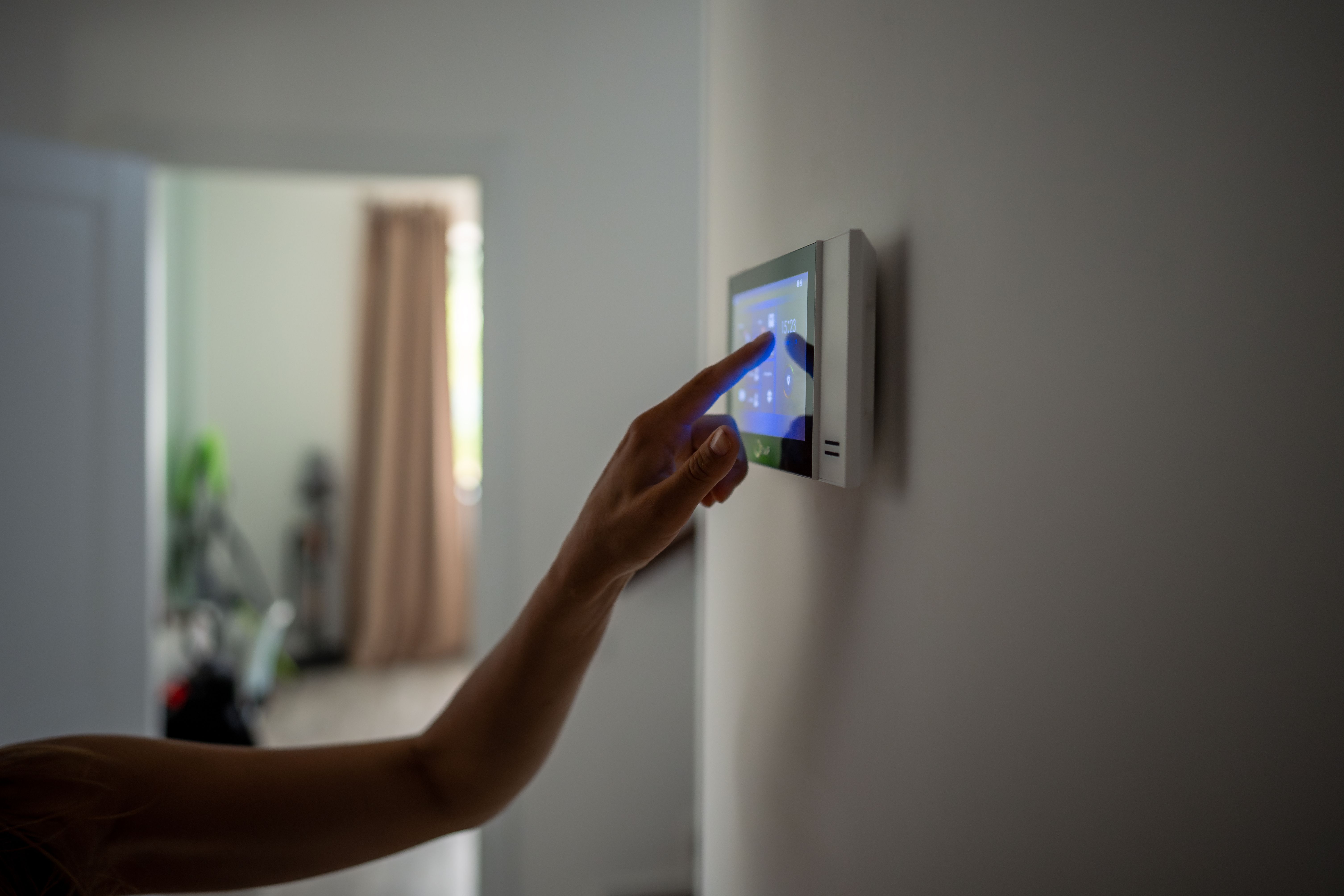
The integration of technology into design is more sophisticated than ever. Smart homes, interactive displays, and digital art are becoming mainstream. The challenge lies in blending technology seamlessly into the design without it becoming intrusive. It's about enhancing the user experience through intuitive interfaces and connectivity.
Virtual Reality and Augmented Reality
Virtual Reality (VR) and Augmented Reality (AR) are revolutionizing the way we experience design. From virtual tours of architectural projects to AR applications in fashion, these technologies provide immersive experiences that were once unimaginable. They offer endless possibilities for creativity and functionality.
Conclusion
Modern design trends are a testament to the dynamic nature of creativity and innovation. By understanding and incorporating these trends, you can create spaces and visuals that are not only aesthetically pleasing but also functional and forward-thinking. Whether through minimalism, biophilic elements, or technological integration, the possibilities are limitless.