The Ultimate Guide to Modern Interior Design Trends


Embracing Minimalism
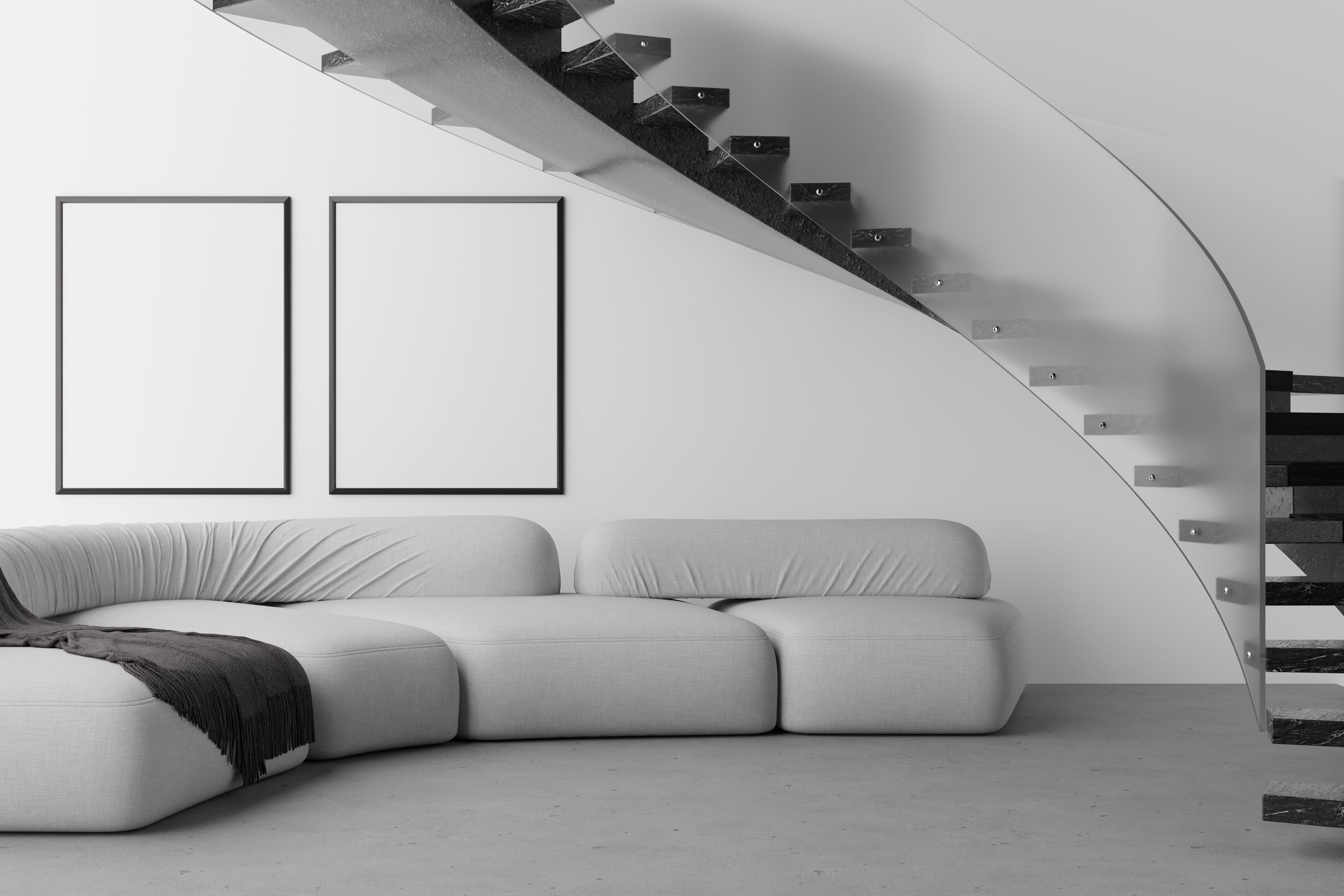
Modern interior design trends lean heavily towards minimalism. This approach emphasizes clean lines, open spaces, and a clutter-free environment. The mantra "less is more" is at the core of this trend, encouraging homeowners to focus on quality over quantity. By choosing fewer but more meaningful pieces, spaces feel more intentional and serene.
Incorporating minimalism doesn't mean spaces have to be stark or devoid of personality. Instead, it's about creating a balance where each element serves a purpose. Opt for furniture with sleek designs, and choose a neutral color palette to create a calming effect.
Neutral and Earthy Tones
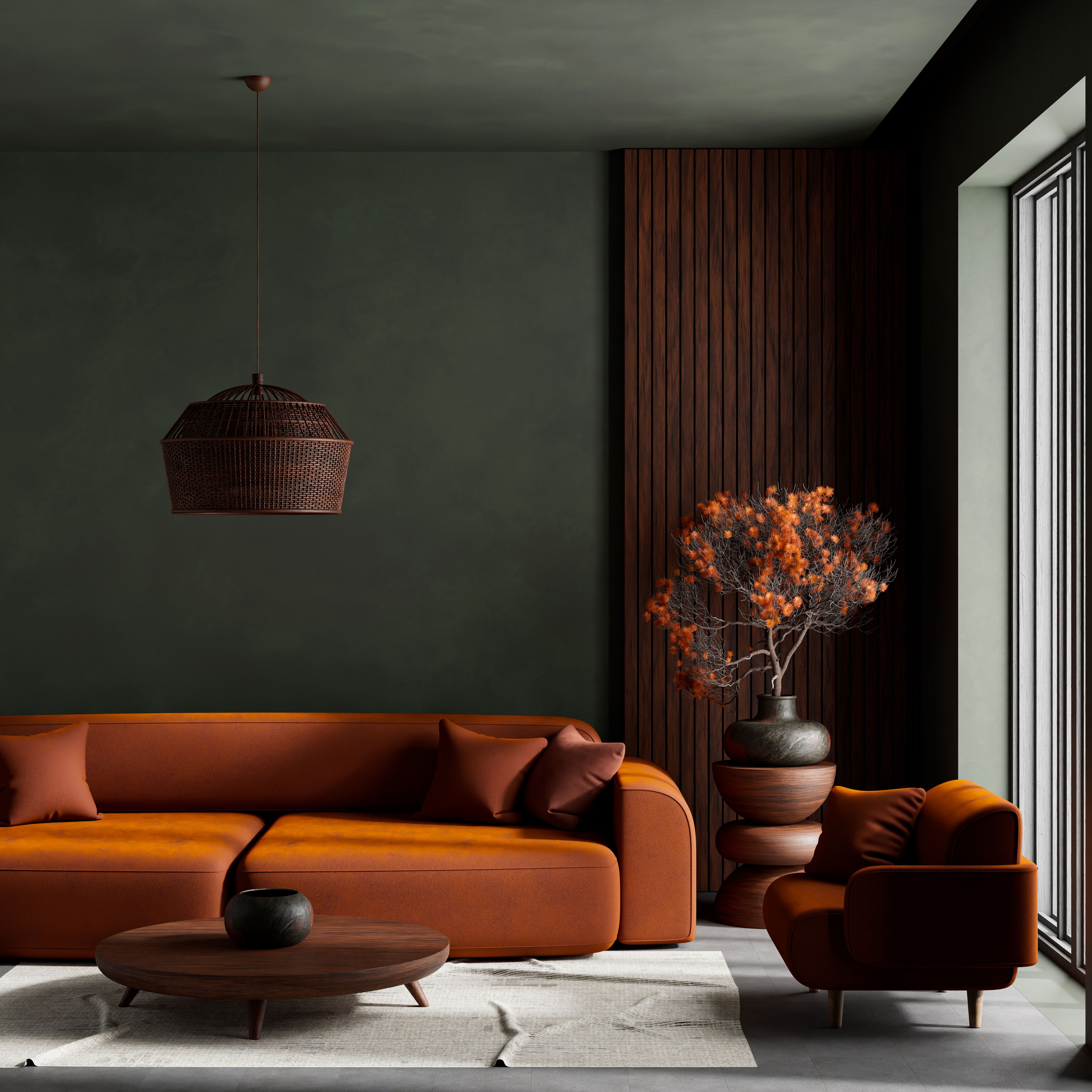
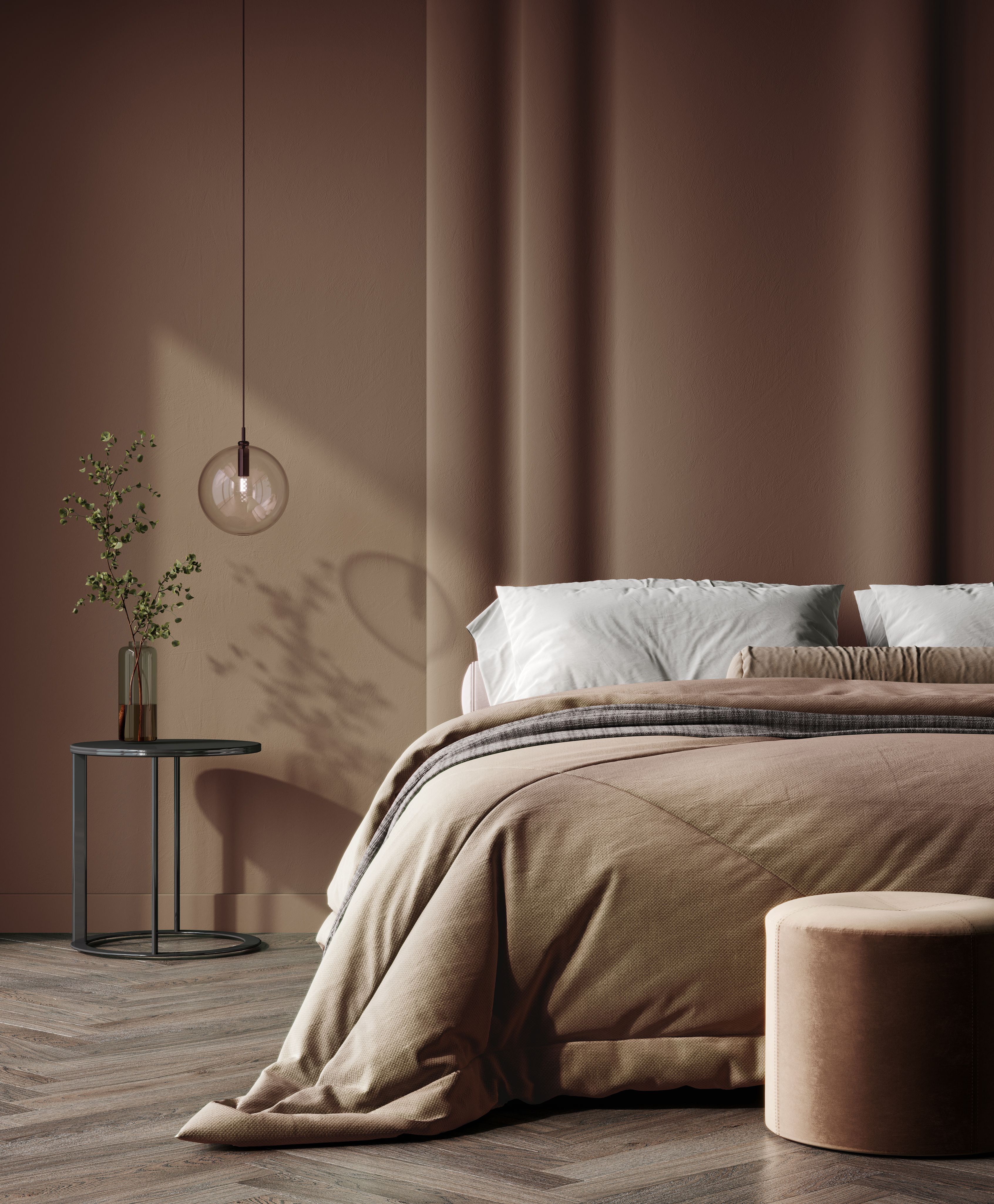
The color schemes in modern interior design often revolve around neutral and earthy tones. These colors not only create a soothing environment but also provide a versatile backdrop for other design elements. Shades like beige, taupe, and muted greens are increasingly popular, lending a warm and inviting feel to any space.
To prevent these tones from becoming monotonous, introduce varying textures and materials. Combining wood, stone, and textiles can add depth and interest, ensuring the space remains dynamic and engaging.
Focus on Sustainability
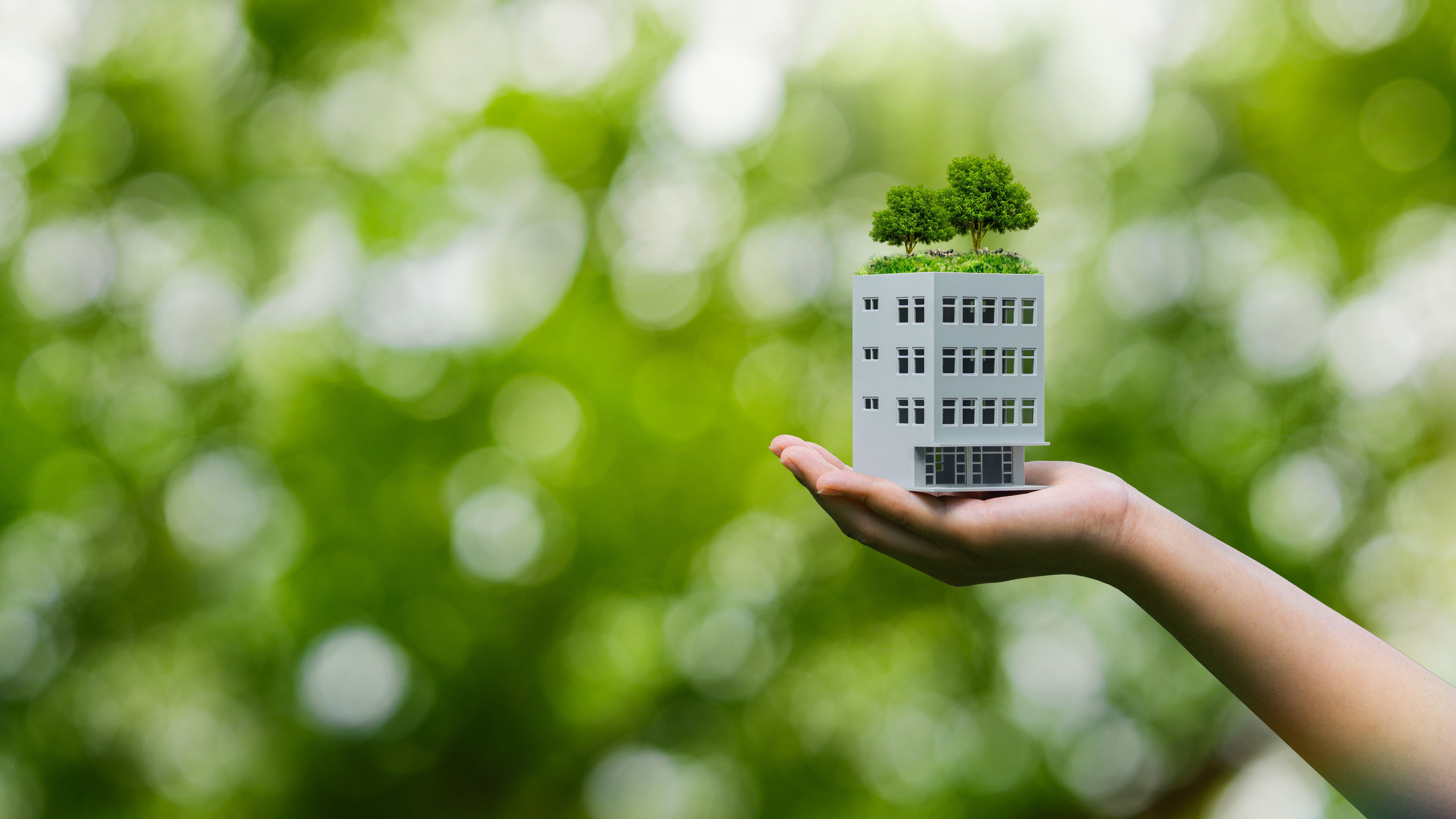
With growing awareness of environmental issues, sustainability has become a significant trend in modern interior design. Homeowners are now more inclined to choose eco-friendly materials and practices. This includes using reclaimed wood, recycled metal, and natural fibers in furnishings and decor.
Moreover, energy-efficient lighting and appliances are also gaining traction. By integrating these elements, not only do you contribute to a healthier planet, but you also create a more sustainable living environment.
Technology Integration
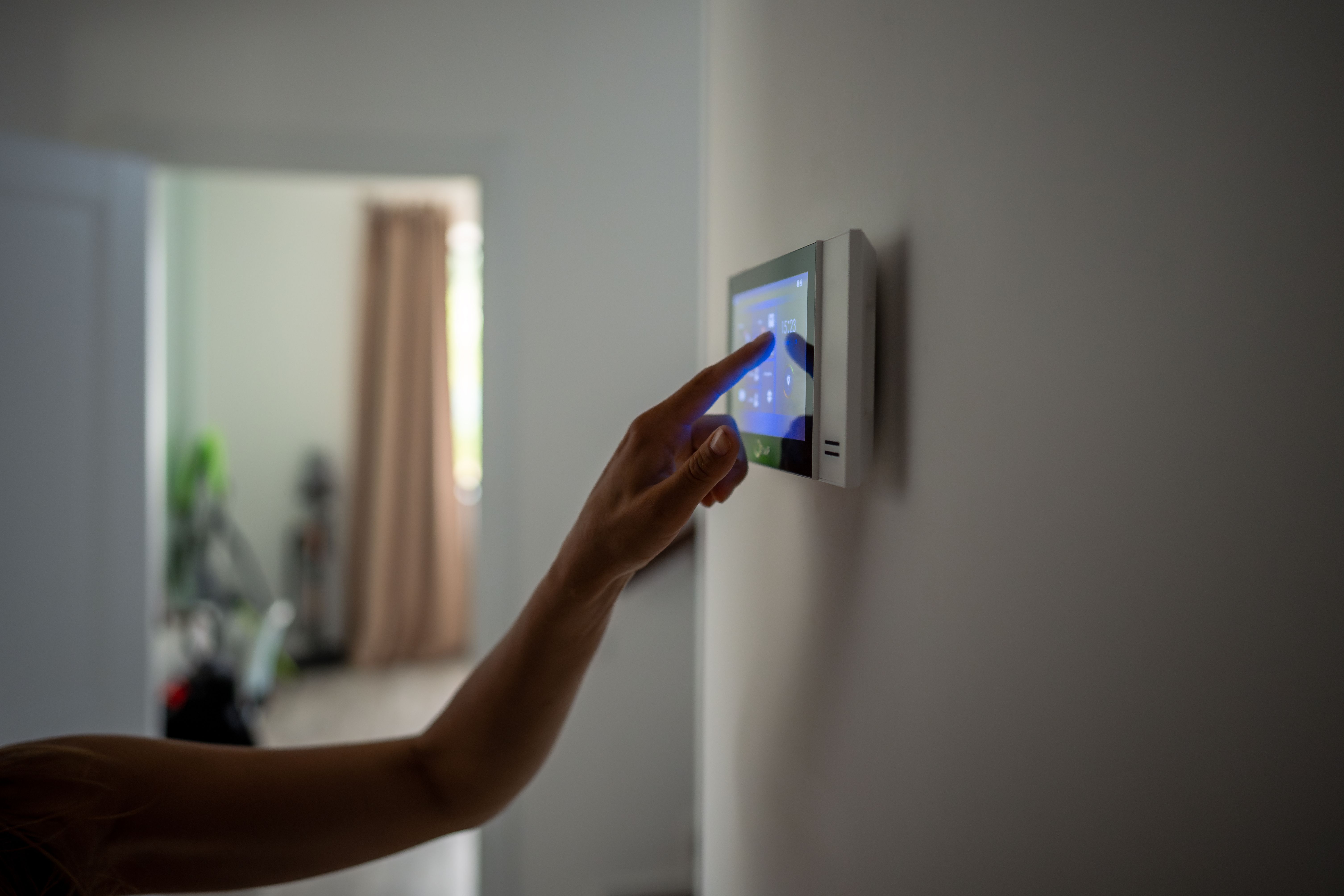
Technology continues to transform interior design, making homes smarter and more efficient. Incorporating smart home devices, such as automated lighting and climate control, is becoming a staple in modern design. These innovations provide convenience and enhance the overall living experience.
Additionally, technology integration can be aesthetically pleasing. Seamless designs and hidden installations ensure that functionality does not compromise style. As technology advances, expect even more innovative solutions to become commonplace in interior design.
Biophilic Design
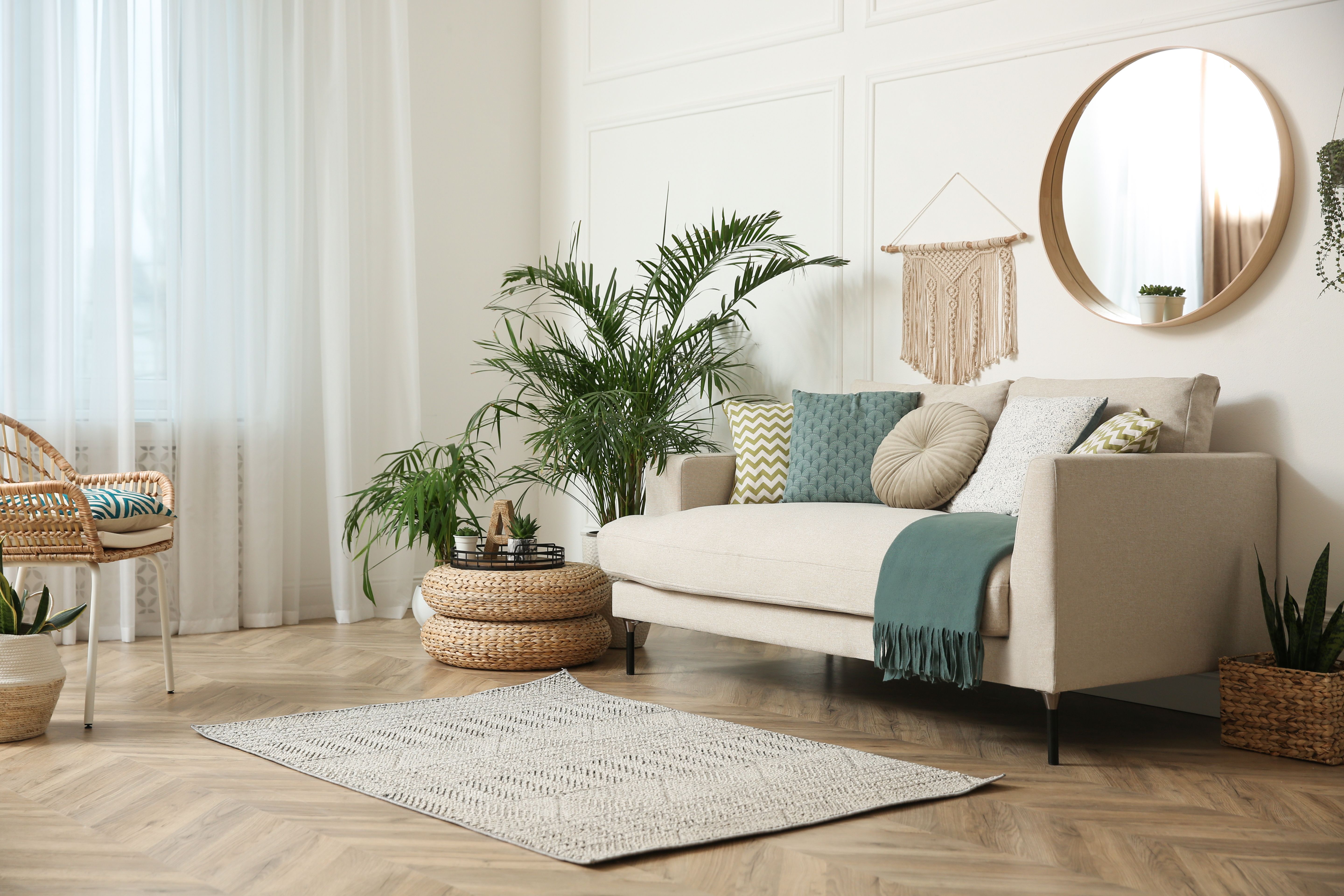
Biophilic design is all about bringing the outdoors in. This trend focuses on creating a connection with nature within your living spaces. Incorporating plants, natural light, and organic materials can significantly enhance well-being and productivity.
Vertical gardens, large windows, and indoor water features are popular ways to integrate biophilic elements. These not only add visual interest but also contribute to a healthier indoor environment by improving air quality and reducing stress.
Personalized Spaces
Lastly, modern interior design celebrates individuality and personalization. Homeowners are encouraged to infuse their spaces with personal touches that reflect their tastes and lifestyle. This could be through artwork, custom furniture, or unique decor items.
Creating a balance between current trends and personal preferences ensures that your space feels not only stylish but also uniquely yours. As trends continue to evolve, the importance of personal expression in interior design remains a constant.