
The Ultimate Guide to Sustainable Design Practices


Understanding Sustainable Design
Sustainable design is more than just a trend; it's a commitment to creating products, buildings, and environments that are environmentally responsible and resource-efficient. The goal is to reduce the negative impact on the environment, while improving the health and comfort of those who use the space. This approach considers the entire lifecycle of a product or structure, from initial design to eventual disposal.
One of the key principles of sustainable design is minimizing waste. This can be achieved through careful planning and the use of materials that are either renewable or recyclable. By focusing on sustainability, designers can create solutions that are not only beautiful but also beneficial to the planet.

Materials and Resources
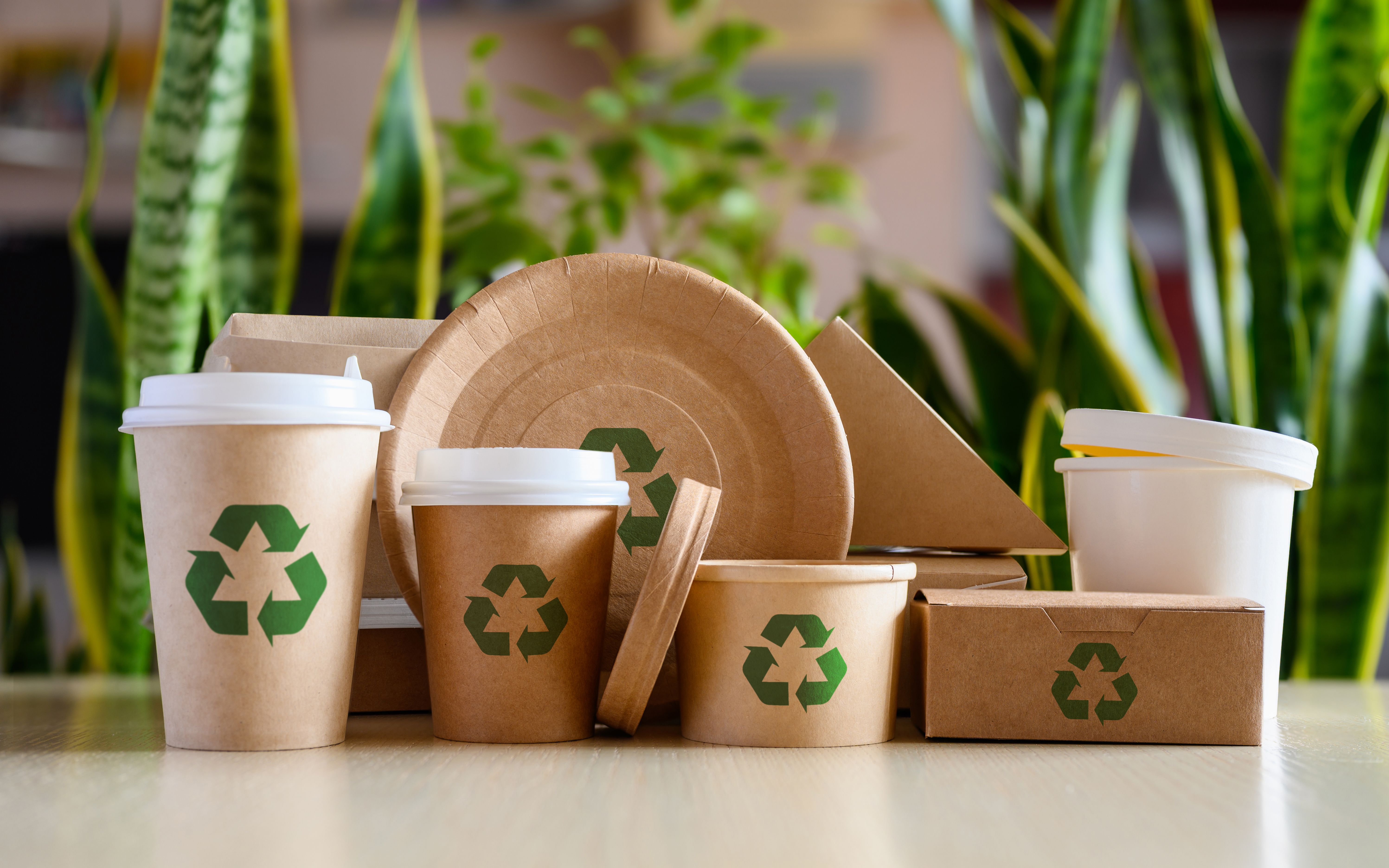
Choosing the right materials is crucial in sustainable design. Opt for materials that have a lower environmental impact, such as bamboo, reclaimed wood, and recycled metals. These materials not only reduce the depletion of natural resources but also contribute to a smaller carbon footprint.
Additionally, consider using locally sourced materials to cut down on transportation emissions. This practice not only supports local economies but also ensures that materials are well-suited to the local climate and conditions.
Energy Efficiency
Energy efficiency is a cornerstone of sustainable design. By incorporating energy-saving features, such as LED lighting, high-performance insulation, and energy-efficient appliances, designers can significantly reduce a building's energy consumption.
Another effective strategy is to utilize passive solar design. This involves orienting buildings to maximize natural light and heat from the sun, reducing the need for artificial lighting and heating. Innovative window designs and strategic shading can further enhance energy efficiency.
Water Conservation
Water conservation is another critical aspect of sustainable design. Incorporating water-saving fixtures, such as low-flow faucets and dual-flush toilets, can greatly reduce water usage. Designing landscapes with native, drought-resistant plants can also minimize the need for irrigation.

Rainwater harvesting systems and greywater recycling can provide sustainable alternatives to traditional water sources. These systems collect and reuse water, reducing reliance on municipal water supplies and decreasing the overall environmental impact.
Creating Healthy Environments
Sustainable design also focuses on creating healthy indoor environments. This includes using non-toxic materials and finishes, improving air quality, and ensuring adequate ventilation. By prioritizing the health and well-being of occupants, sustainable design can lead to more comfortable and productive spaces.
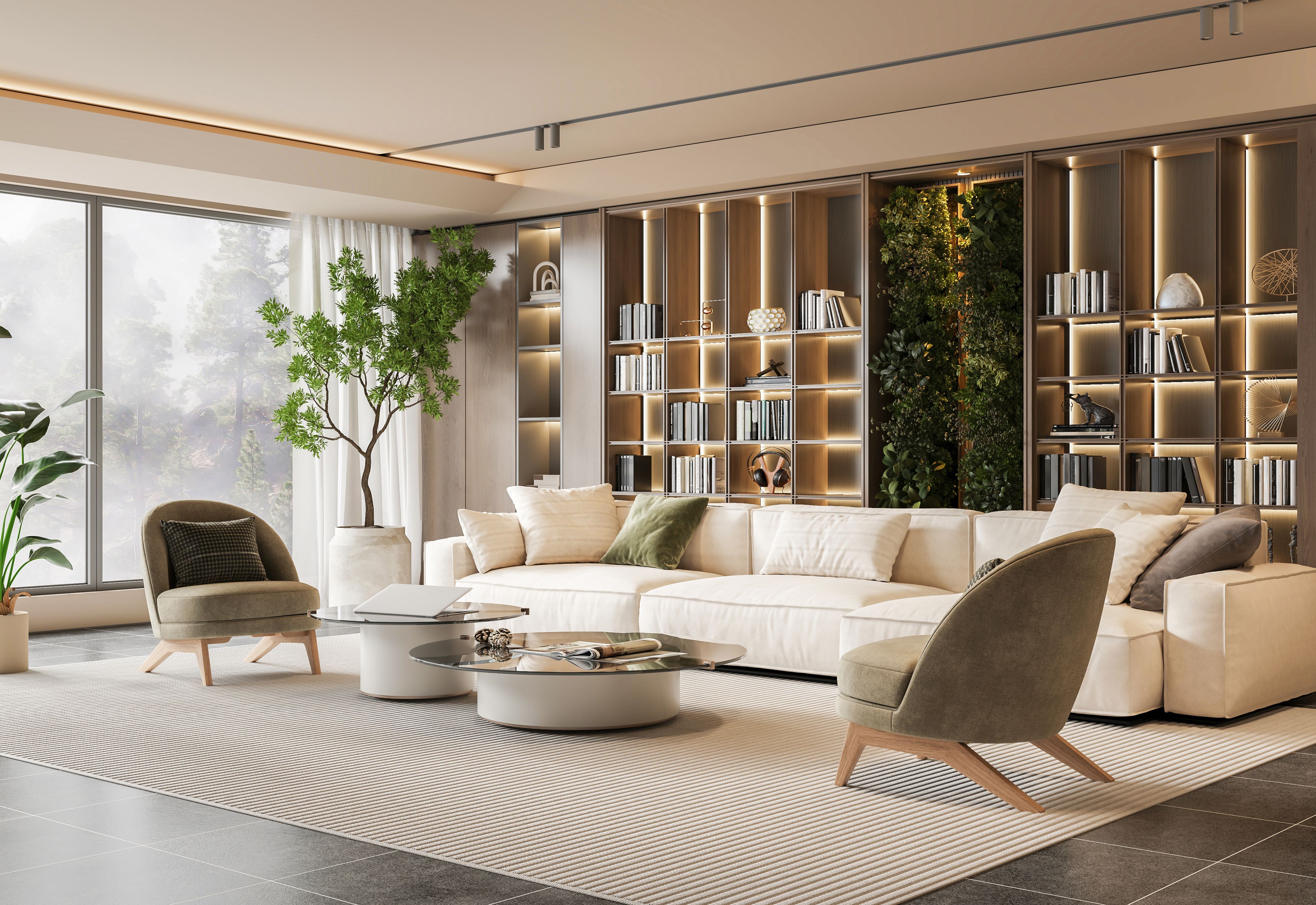
Biophilic design, which incorporates natural elements into interior spaces, can enhance mental well-being and reduce stress. This approach connects people with nature, even in urban settings, and is a key component of sustainable design.
Conclusion
Embracing sustainable design practices is essential for creating a more sustainable future. By prioritizing eco-friendly materials, energy efficiency, water conservation, and healthy environments, designers can make a significant impact on reducing environmental harm.
The journey towards sustainability is ongoing, and it requires the commitment of designers, builders, and consumers alike. Together, we can create spaces that are not only functional and beautiful but also kind to our planet.